The story
A Tweet Sent Ten Thousand People to a Free Plan
My client's book announcement took off overnight, and the free hosting plan I'd set her site up on could not keep up. It's one of the first hosting lessons I ever learned the hard way.
By Elena Novak, WordPress & Managed Editor · 6 min read
·
Disclosure: Some links on this page are affiliate links — if you sign up through one, we may earn a commission at no extra cost to you. It never changes our ratings, rankings or verdicts: we don't sell hosting and take no pay-for-placement.

Early in my web design career I built a site for a novelist called Nora. She writes small, strange books that a small, strange audience adores. Her first novel had sold a few hundred copies, mostly to people she knew, and the second was the one she was convinced would find its feet.
She’d spent a year on it. She designed the cover with a friend, found a beta reader or two, and lined up a launch date. The last thing she needed was a website, so she came to me. I designed it, a lovely theme, a short blurb, a preorder link and an email signup. The only thing I didn’t do well was the part underneath it.
The free plan I picked
Nora didn’t know whether anyone would visit, and she hated the idea of paying for a site nobody read. So I put it on a free hosting plan. I told myself it was the responsible choice. Honestly, I was still learning what sat underneath a website, and the design was the part I knew how to be proud of.
I’d skimmed the terms and seen words about fair use and limits, but they didn’t seem relevant. Who was going to send a debut-ish novelist ten thousand visitors?
The night it caught fire
On a Tuesday evening Nora posted a short thread about the book. A sentence about the premise, the cover, and the preorder link. Then she went to make dinner.
When she came back her phone was hot. A very well known author had quote posted it with a line of praise. Then a second account with a huge following did the same. The thread was spreading faster than she could refresh it.
She rang me at about half past nine, thrilled and a little breathless. Then she said, “Elena, my own link won’t load.”
What happened to the site
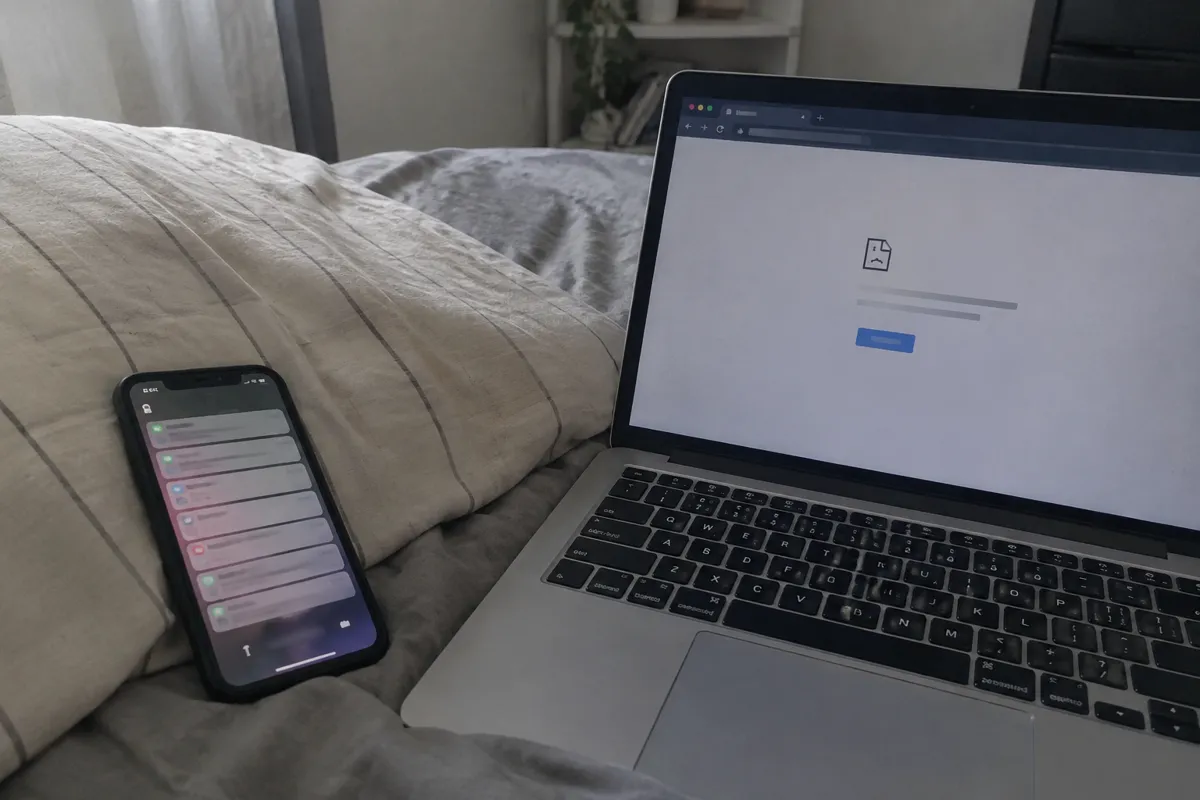
I opened her site and saw an error page saying the account had exceeded its resource limits. That was when I properly read the plan I’d chosen.
The free plan had a low ceiling on how many visitors it could serve, and a low ceiling on the monthly data it could send. A few thousand people arriving in a couple of hours blew through both. For the next several hours, anyone who clicked her link saw that error and nothing else. No blurb, no cover, no preorder button, no signup.
She’d had a crowd at her door, and I had left the door locked.
The scramble
It was nearly midnight and I had never once spoken to that host. Free plans don’t come with support by phone. I found a help article and a community forum, and I started reading with her on the line.
What I gathered was this. We could upgrade to a paid plan, and that would lift the limits, but the process wasn’t instant. There was a verification step, a payment step, and then a wait while the change took effect. It took roughly three hours.
In the meantime we did what we could. Nora posted a pinned reply to her own thread with a direct link to the book on a retailer’s page, and a link to a signup form hosted by her email provider. Those two pages belonged to bigger services that could handle the crowd. It was the best idea of the night, and it was hers.
The launch she missed
By the time the upgrade was live, the wave was already passing. The thread had peaked around ten p.m., and by morning the conversation had moved on. The site worked again, but the click that mattered had come and gone.
We’ll never know the exact number, but I think she missed a few thousand signups and plenty of preorders. The book did fine in the end. It sold more than her first, in fact. But I’ve thought about what a prepared launch might have looked like every time a client has mentioned a big date since.
I don’t say this to be dramatic. It’s just the plain cost of not being ready, and it was my job to see it coming.
Nora was kinder to me than I deserved. She said nobody plans for luck. I’ve come to think of readiness as a kind of politeness toward good fortune. If a crowd turns up at your door, the least you can do is have the lights on, and a single clear button to press.
A few things I’d tell you
- Read the limits on a free plan. Look for caps on visitors, data and resources, not just storage.
- Upgrade before you launch. A month on a paid plan is a small cost against a good moment.
- Keep a simple landing page. One light page with a clear button is easier to serve than a full site.
- Have a backup link. A retailer page or a hosted signup form can take the crowd when your site can’t.
- Know who to contact. Find out how you’d reach support, and how fast an upgrade really applies.
Nora’s next book is coming next spring. Her site is on a proper plan, the landing page is tiny and quick, and I’ve checked twice that the door is open.
To sum it up
- A free plan is fine to start on, but it has hard limits that a surge will hit.
- Virality gives you hours, not weeks, to be ready.
- Know your upgrade route before you launch, and ideally have a lightweight page ready.
- Point a surge at a simple page with a clear buy or join button.