The story
Charged for a Domain I Never Ordered
An unexpected line on a client's invoice sent us on a careful read of what her signup bundle actually included.
By Marcus Feld, Infrastructure Editor · 6 min read
·
Disclosure: Some links on this page are affiliate links — if you sign up through one, we may earn a commission at no extra cost to you. It never changes our ratings, rankings or verdicts: we don't sell hosting and take no pay-for-placement.

A client of mine runs a small yoga studio with two classrooms and a waiting list on Thursday evenings. She’s very good at stretching people. She’ll be the first to tell you she’s less good at spreadsheets. I look after the technical side of her website, the hosting and the domain and the email, so that she never has to.
So when the monthly invoice for her website arrived with a line she didn’t recognise, she nearly paid it without looking. Nearly. Something made her stop, and she forwarded it to me with a single question mark in the subject line.
The line that made her stop
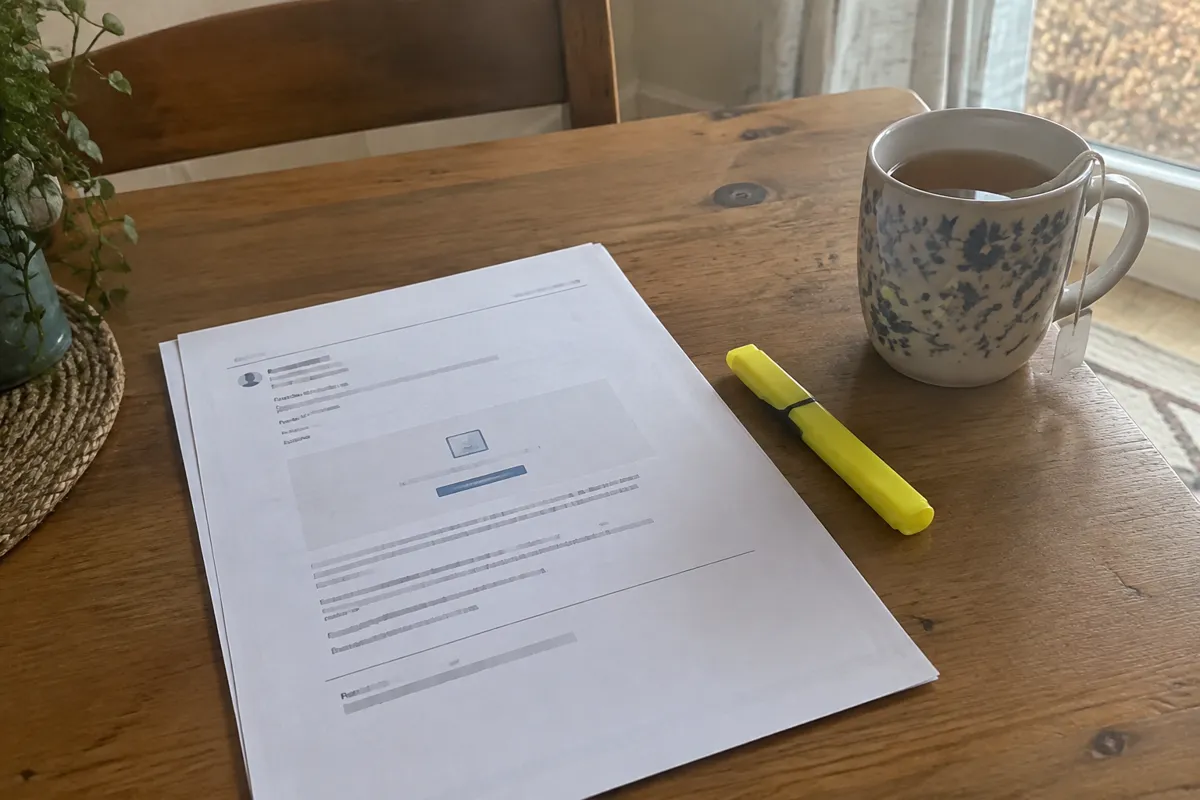
It was an email from her hosting company with the subject “Your invoice”. She’d opened it with half an eye, the way you do between classes with a green tea going cold.
Hosting, the expected amount. Then a second line. A domain registration for a web address she’d never heard of. The name was close to her studio’s, but with a different ending, and it was a few dollars more than she’d expected to see.
“I didn’t order that,” she told me when I rang. “I’d have remembered buying a second web address. Wouldn’t I?”
Where the surprise came from
She spent a good ten minutes being indignant, which I understood completely. Then I asked her to do something more useful. Find the original confirmation email from the day she signed up, eighteen months earlier, and read it properly for the first time.
There it was. The plan she’d picked was a bundle. The hosting came with a free domain for the first year. And in a short line she’d have skimmed past, the bundle also included a second domain at a reduced rate, which she’d apparently agreed to when she ticked a box about “protecting her brand”.
So she had ordered it, in a way. She’d just never knowingly chosen it. She’d clicked quickly through a checkout and trusted the company to keep things simple. I’ve seen this more times than I can count, and it’s rarely anyone’s fault. Checkouts are built to be quick.
It helped her to see it that way. The question changed from “how dare they” to “what exactly did I sign up for?”
The call to support
I coached her through what to ask, and she rang support that afternoon. I suggested three plain questions. What is this domain? What does it cost to keep it? And can I cancel it?
The agent was patient. She explained that the extra domain was a defensive registration, a second version of the studio’s web address so nobody else could grab it. It wasn’t pointing at anything. It was just sitting there.
It had renewed automatically, because auto renew had been switched on at signup. The refund policy allowed a full refund on a renewal within a short window, and my client was still inside it.
She asked for the refund and to have auto renew turned off for that domain. The agent did both while she was still on the line, and sent a confirmation.
Then, feeling brave, my client asked her to list everything else on the account. There was her main domain, the hosting, and a small email add-on she did use. Nothing else.

What we changed
She’d never had a clear picture of what she owned, and honestly, neither had I until that week, because she’d set the account up before she hired me. So that evening we did something that felt faintly ridiculous and turned out to be one of the most useful jobs of her year. We made a list.
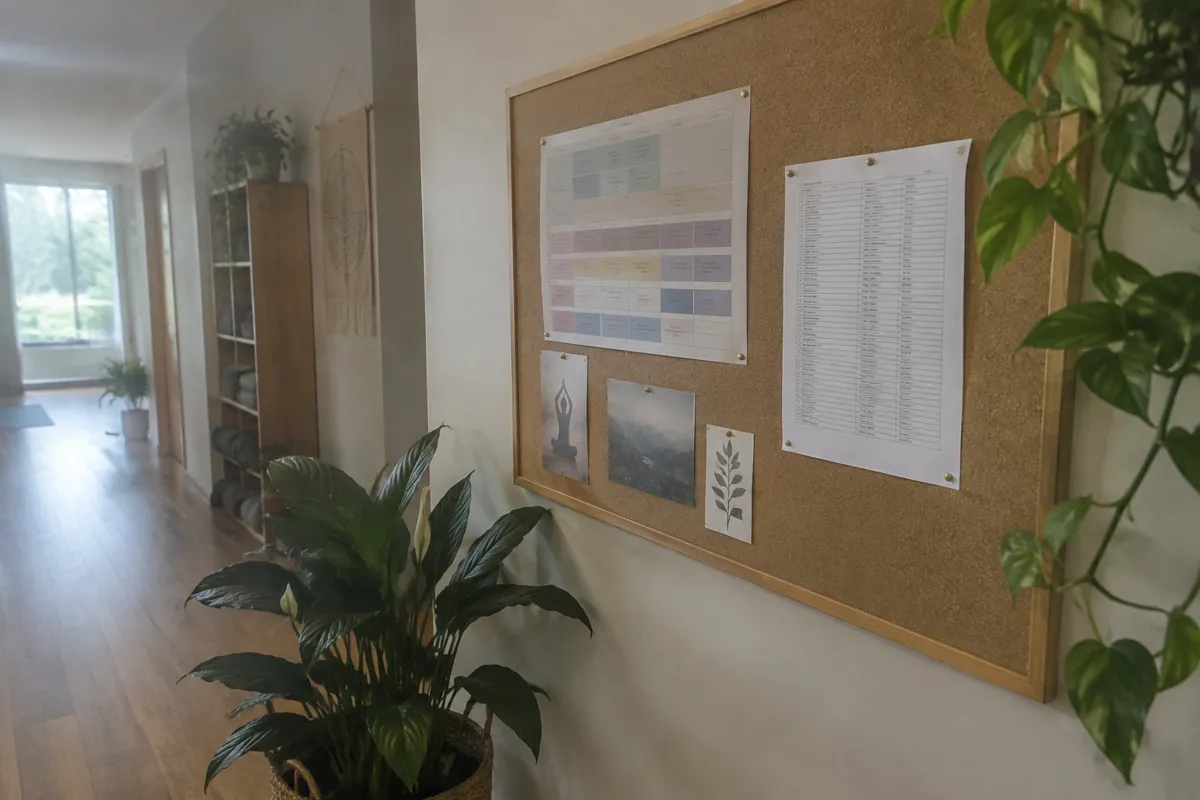
One page. Every domain, where it’s registered, when it renews, and whether auto renew is on. The same for hosting and email. Beneath each entry, a line about what it’s for.
She printed it and pinned it next to the class timetable.
The agent had also mentioned, kindly, that many people end up with a bundle they only half remember, and that my client had done the right thing by asking rather than stewing. She’d braced for a fight, and what she got was a tidy five minute conversation and an apology that didn’t feel scripted.
I added a reminder to my own calendar two months before each renewal, and she did the same in hers, because we’d both learned what happens when an automatic charge arrives on an ordinary Tuesday.
The second domain, by the way, she might well have wanted in the end. Plenty of studios register a second address to protect their name. But she wanted to choose that on purpose, not stumble into it.
A few things I’d tell you
- Read your confirmation email in full, the day you sign up. It’s the clearest record of what you agreed to.
- Check every invoice line. If you don’t recognise something, ask what it is before you pay.
- Note the refund window. Many renewals can be refunded within a short period, so don’t sit on a question.
- Know whether auto renew is on for each item, and decide for yourself whether you want it.
- Keep a one page list of everything you own and when it renews.
The studio is full on Thursdays, the website is tidy, and my client knows exactly what she’s paying for, line by line.
To sum it up
- A bundle can include items you didn't choose, like extra domains, email or add-ons.
- Read your order confirmation and invoice line by line after signup, not only at renewal.
- Ask support exactly what each line is and whether it can be cancelled or refunded.
- Keep a simple list of every domain you own and when it renews.