The story
The Cheapest Host and the Priciest Weekend of My Business
A plumber I work with saved a few dollars a month on hosting. Then his site went down on the one weekend the phone should have been ringing off the hook.
By Marcus Feld, Infrastructure Editor · 6 min read
·
Disclosure: Some links on this page are affiliate links — if you sign up through one, we may earn a commission at no extra cost to you. It never changes our ratings, rankings or verdicts: we don't sell hosting and take no pay-for-placement.
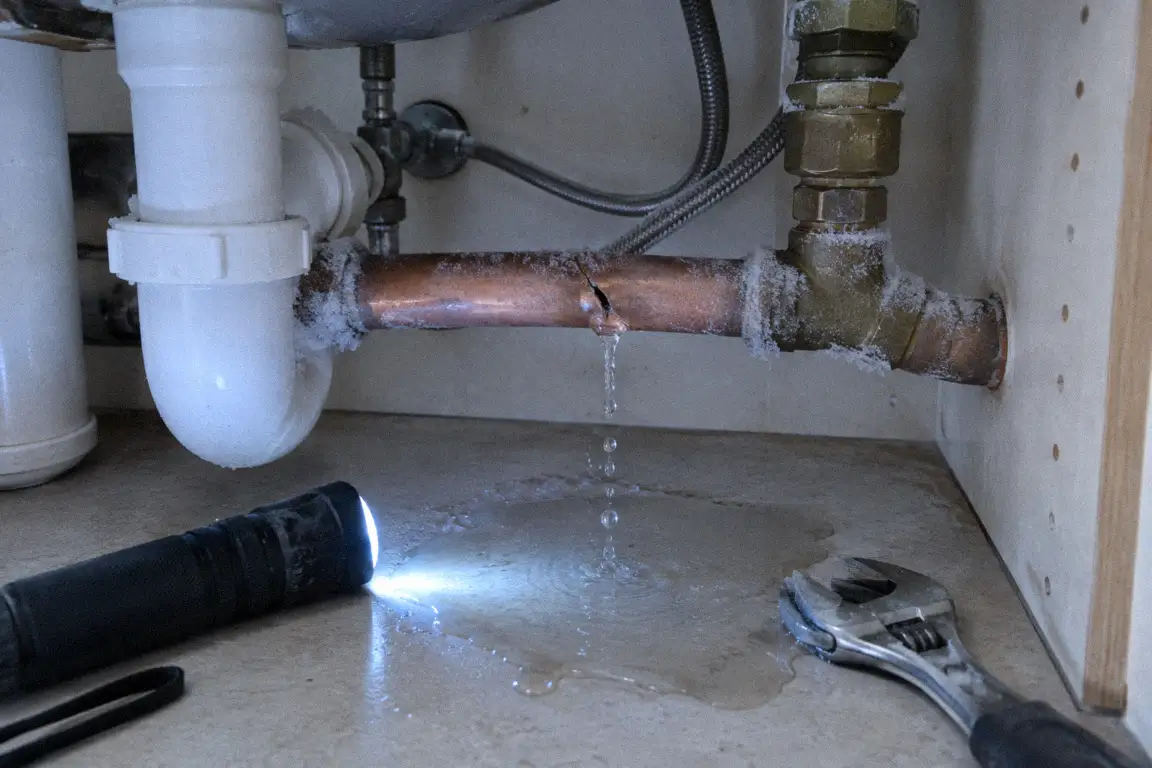
One of my clients fixes burst pipes for a living. Nobody books a plumber for fun, so when someone’s kitchen is ankle-deep in water, they grab their phone and search for someone nearby. If his website isn’t there, the next plumber’s is.
He knew all that. And he still went for the cheapest hosting he could find, before he came to me.
Why he did it
When he set up the business website, he was watching every dollar. The van, the tools, the insurance, it all adds up. He found a hosting plan a few dollars a month cheaper than the next one up, and he thought, it’s just a website. It’s a page with my number on it. How different can they be?
I’d have thought the same at his stage, honestly. For over a year it was fine. The site loaded, the phone rang, life went on.

The weekend the phone went quiet
Then came a cold snap. Anyone in his trade knows what that means: pipes freeze, then crack, and the calls pour in. It’s the best weekend of the year for a plumber.
On Friday night his phone was strangely quiet. Then it stayed quiet all Saturday morning. He figured people were being lucky.
On Saturday afternoon, a mate texted him: “Mate, your website’s showing an error.” He checked. It was down. It had been down since some time on Friday evening. He doesn’t know exactly when, because nothing was set up to tell him.

He raised a support ticket straight away. The reply, when it came, was polite and a bit vague. The team would look into it, and support hours on his plan meant it might be Monday before anyone could do more. The site sat dead for most of the weekend. He rang me on Sunday morning, and by then there was very little I could do on a server I had no access to.
Doing the sums he’d never done
I sat with him that evening and we counted his losses carefully. On a normal weekend he’d take several emergency call-outs. On a cold-snap weekend, more. Even if he only lost a few of them, the value of those jobs dwarfed the saving on his hosting for years.
That’s when it clicked for him. He had been comparing the two plans by the wrong number. Hosting looks like a monthly cost, but the real cost is what happens when it fails. I’ve watched that realisation land on a lot of small business owners, and it’s always a quiet, slightly sick moment.
What we changed
I didn’t send him off to buy the fanciest thing on offer. We looked for a few plain, unglamorous things:
- A host with support that answers at weekends, not only on weekdays.
- A stated uptime commitment he could read, and a clear description of what happens if they miss it.
- A free uptime monitor that texts him the moment the site goes down, so he doesn’t rely on a mate.
- His phone number on his Google Business listing, so a website outage isn’t his only door.
That last one was the cheap, clever fix. Half his customers found his number without ever touching the site once the listing was tidied up.
The new plan cost a little more per month. He stopped noticing it within a week.
There was one more thing he did, and I’d call it the most useful. He wrote down, on a single sheet taped inside the van, exactly who to ring and what to say if the site ever went quiet again. The host’s emergency number, the login for the uptime monitor, and my number as the person who’d take a look at the server side. It sounds small. But in the middle of a freezing Saturday, with the phone silent and a pit in your stomach, a sheet of paper that tells you the next step is worth a great deal.
Since then there have been two short outages, both caught within minutes by the alert. Neither cost him a job. He tells other tradies about it now, usually while leaning on the van with a coffee.
A few things I’d tell you
- Work out what an hour offline costs you. If you rely on the site for enquiries, put a rough dollar figure on it. It changes how you shop.
- Compare support hours, not just features. A fix that arrives Monday is no use on a Saturday emergency.
- Set up a free uptime alert. You should hear about a problem before your customers do.
- Don’t let the website be your only door. Keep your listing, your phone number and your social pages current.
- Cheap isn’t wrong. Just make sure it’s cheap for what you’re protecting.
Cheap hosting is priced by the month. Downtime is priced by the customer you never met.
To sum it up
- Hosting is priced per month; downtime is priced per lost customer.
- Work out what one hour offline actually costs your business before comparing plans.
- Check uptime promises, support hours and response times, not just the sticker price.
- A small monthly saving is a poor trade if it risks your busiest days.