The story
Donation Page Down on Giving Tuesday
My client's biggest giving day of the year landed on a hosting plan I had never resized for it. Here's how it went and what we did differently.
By Marcus Feld, Infrastructure Editor · 7 min read
·
Disclosure: Some links on this page are affiliate links — if you sign up through one, we may earn a commission at no extra cost to you. It never changes our ratings, rankings or verdicts: we don't sell hosting and take no pay-for-placement.
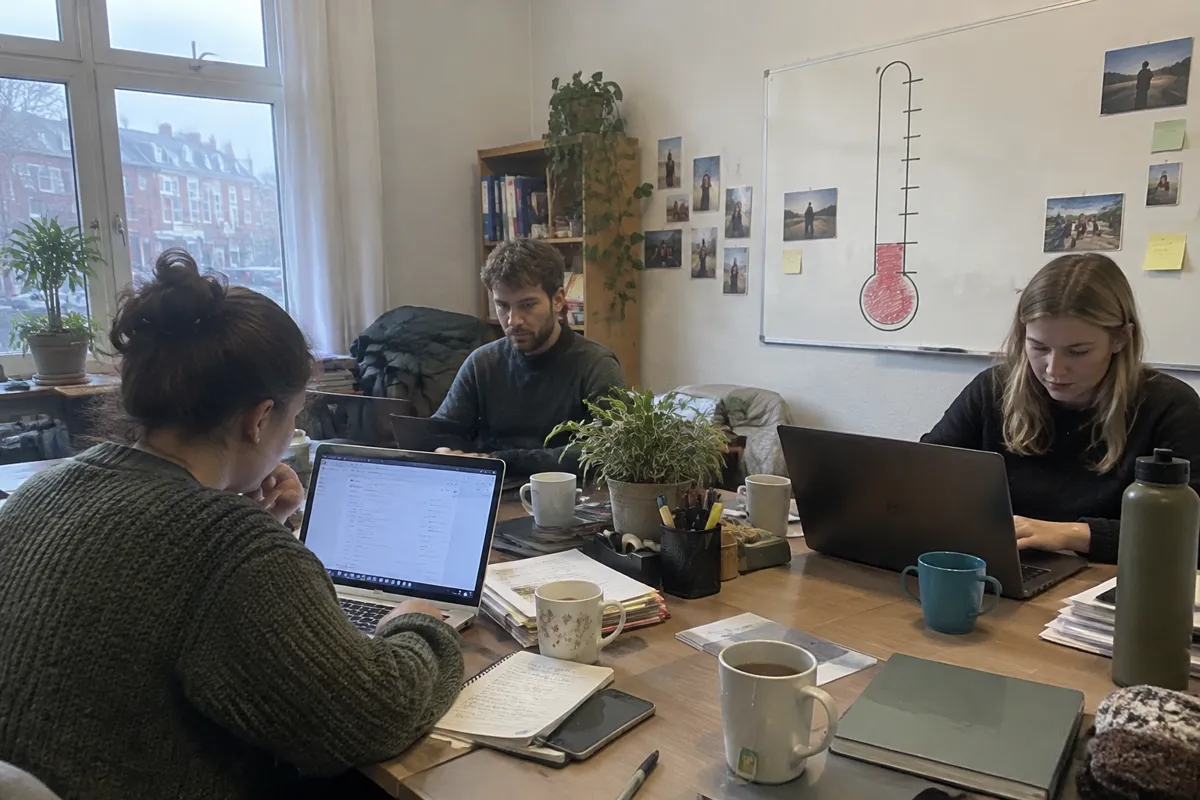
One of my longest running clients is a small charity that supports older people living alone. Five staff, a big heart and a modest budget. Every year, Giving Tuesday is their moment. They send one big email, post on social, and hope people feel generous.
Last year it went better than any of us had dreamed. For about forty minutes.
The plan I trusted
Their website lived on an entry level shared plan. I’d set it up years earlier as a favour, back when they were just starting out, because it was cheap and it had never given them trouble. On an ordinary day they get a few hundred visitors. I thought of that plan as comfortably roomy.
Here’s the part I’m not proud of. I spent a decade in data centres and I know exactly how shared plans behave when they’re pushed. I knew that “unlimited” on a marketing page isn’t unlimited. And I had never once gone back and checked the limits on my own client’s plan, because it was a favour, and favours don’t get a review date.
Forty good minutes
The email went out at nine. By nine fifteen the donation page was busy. Their fundraiser, Sue, was watching the counter tick upward, and she texted me a row of happy faces.
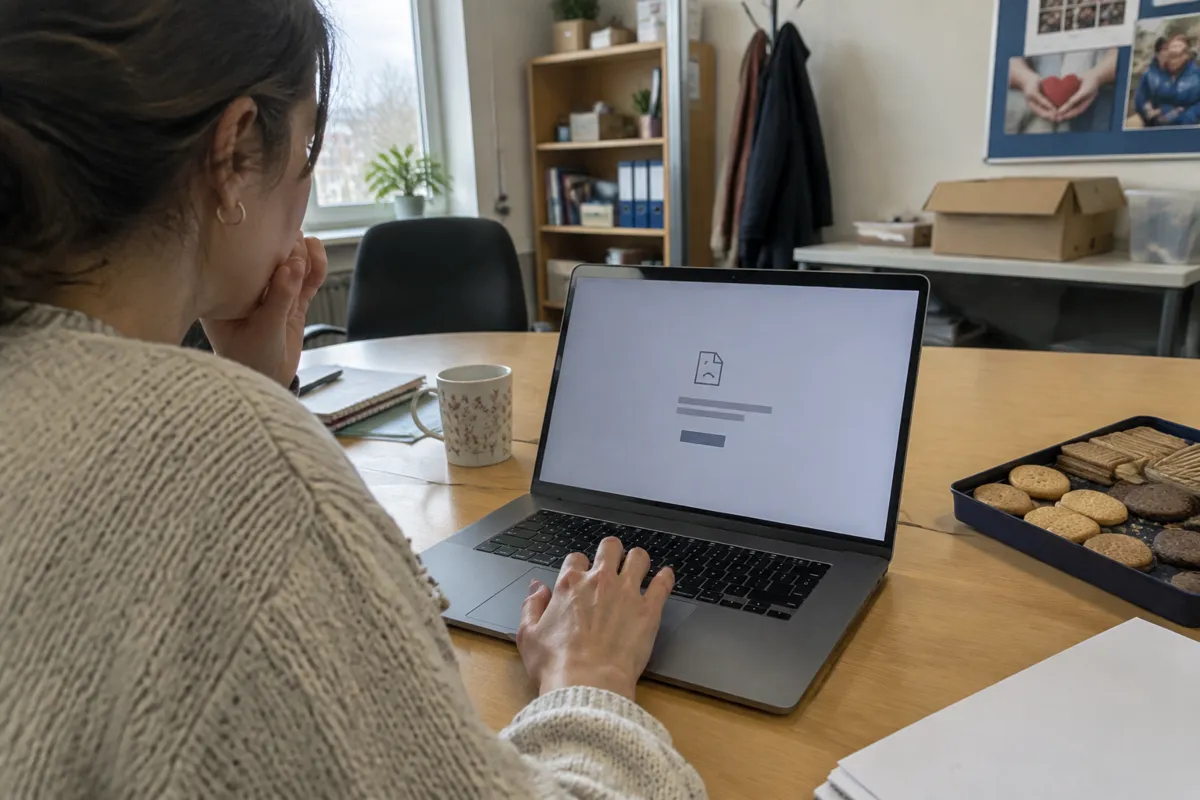
By nine forty, the page was slow. By ten, it showed an error that said, in very plain grey letters, that the site had exceeded its resource limit. Sue rang me. People were trying to give her charity money and getting a blank screen.
What was actually happening
A giving day is a wall of visitors arriving in the same hour, all loading the same page, many of them submitting payments at once. A shared plan splits a server’s power among many sites and caps how much any one site can use. They hit the cap, and the host throttled the account automatically.
The campaign had been planned carefully, with the writing, the timing and the images. Nobody had planned the plumbing, and as the person who looks after the plumbing, that was on me.
The scramble
I phoned the host’s support line from my kitchen. They were honest with me, which I’ll always appreciate. They confirmed the cap, confirmed the throttling, and said the quickest fix was moving to a bigger plan, which they could do in minutes.
I asked one question before saying yes. Would the upgrade take effect immediately, and would the larger plan carry the donation page? The agent said it would be live straight away, with several times the resources. I got Sue’s go ahead on the extra cost and said yes. By eleven the page was quick again, and the donations flowed.
The oddest feeling afterwards was relief mixed with embarrassment. Sue said it could have been worse, and she was right. But I kept replaying that hour. Every minute she’d spent on subject lines had been undone by something I hadn’t looked at in six years.
We’ll never know exactly how many gifts were lost in that hour. Our best guess, going off the newsletter click numbers, is somewhere between thirty and sixty. Not a disaster, but real money for a charity their size.
What we did differently this year
The following autumn, we treated the day as a fundraising event and a technical event.
Six weeks out, I asked the host for the resource limits in writing and what the next tier up would offer. A month out, we upgraded for the season and planned to step down afterwards. Two weeks out, Sue and I ran a rehearsal, getting six colleagues to open the donation page and make test payments at the same moment, while I watched the server’s resource graph.
We also set up a backup route. Their payment provider has a hosted donation page that lives on the provider’s servers, not ours. If the site wobbled, Sue would swap the newsletter link to that one within a minute.

The day itself was uneventful, which is the highest praise I can give a technical plan. The page stayed fast and gifts came in. Sue took a photo of the counter at nine forty and got it framed.
One more thing. I wrote a short note to their board, plainly explaining what happened and what it cost. It wasn’t easy, because it was my oversight. But it turned a private worry into a shared plan, and two trustees offered to cover the seasonal upgrade from a small technology fund nobody knew they had. Being open about a mistake made the fix easier, not harder.
A few things I’d tell you
- Size for your peak, not your average. A single big day can be most of a year’s income.
- Ask what “unlimited” really means. Get the actual limits on resources and visitors.
- Rehearse. A simple test with a handful of people will reveal a great deal.
- Keep a backup donation link on a separate service, ready to swap in.
- Upgrade temporarily. Many plans let you step down after the rush.
I now put a review date on every favour plan I’ve ever set up for a friend or a charity. A plan nobody checks is a plan that fails on the one day it matters.
To sum it up
- A donation page has a predictable traffic spike, so size your plan for the peak, not the average.
- Ask your host about traffic limits, resource caps and how they behave when you hit them.
- Load test or at least rehearse a week before your big day.
- Have a plan B link ready, such as a hosted payment page, for when something breaks.