The story
The Free Host That Vanished
It cost me nothing, which felt like a win. Then one morning my login stopped working, and so did everything else.
By Elena Novak, WordPress & Managed Editor · 6 min read
·
Disclosure: Some links on this page are affiliate links — if you sign up through one, we may earn a commission at no extra cost to you. It never changes our ratings, rankings or verdicts: we don't sell hosting and take no pay-for-placement.
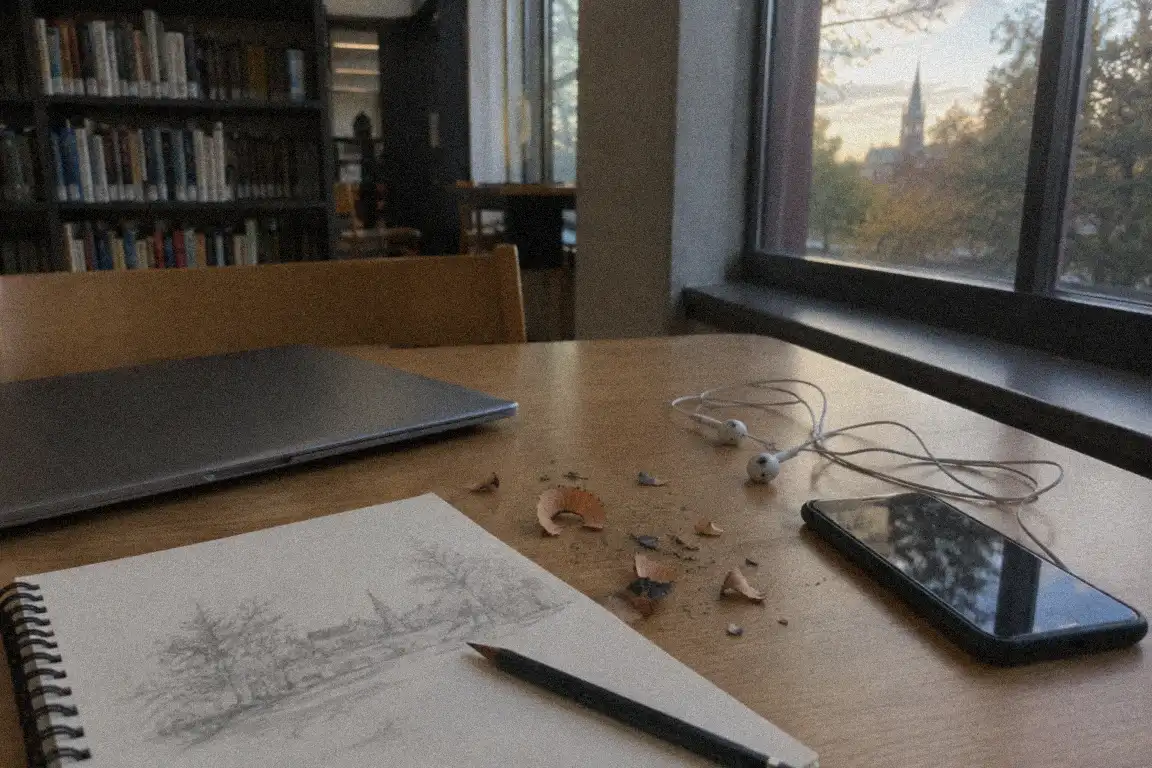
Before I built sites for a living, I was a design student with a budget of roughly zero, and I needed a portfolio site. Everyone told me employers look at portfolios. Nobody told me what to do when you can’t afford anything.
So I found a free host. No card details, no trial, no catch. I made an account in ten minutes and had a little website up that same evening. I was already teaching myself HTML and CSS by then, so I hand-built the pages and uploaded them, and I felt wonderfully capable.
Building my little corner of the internet
I loved that site. I put my best projects on it: branding work from class, a couple of illustrations, some photos of a poster I’d designed. Over two years I kept adding to it. Every time I finished something I was proud of, it went up.
I never thought much about where it lived. It was just there. Free, quiet, dependable. I’d sent the link to a few lecturers and to a friend who worked at a small studio.
The morning I couldn’t log in
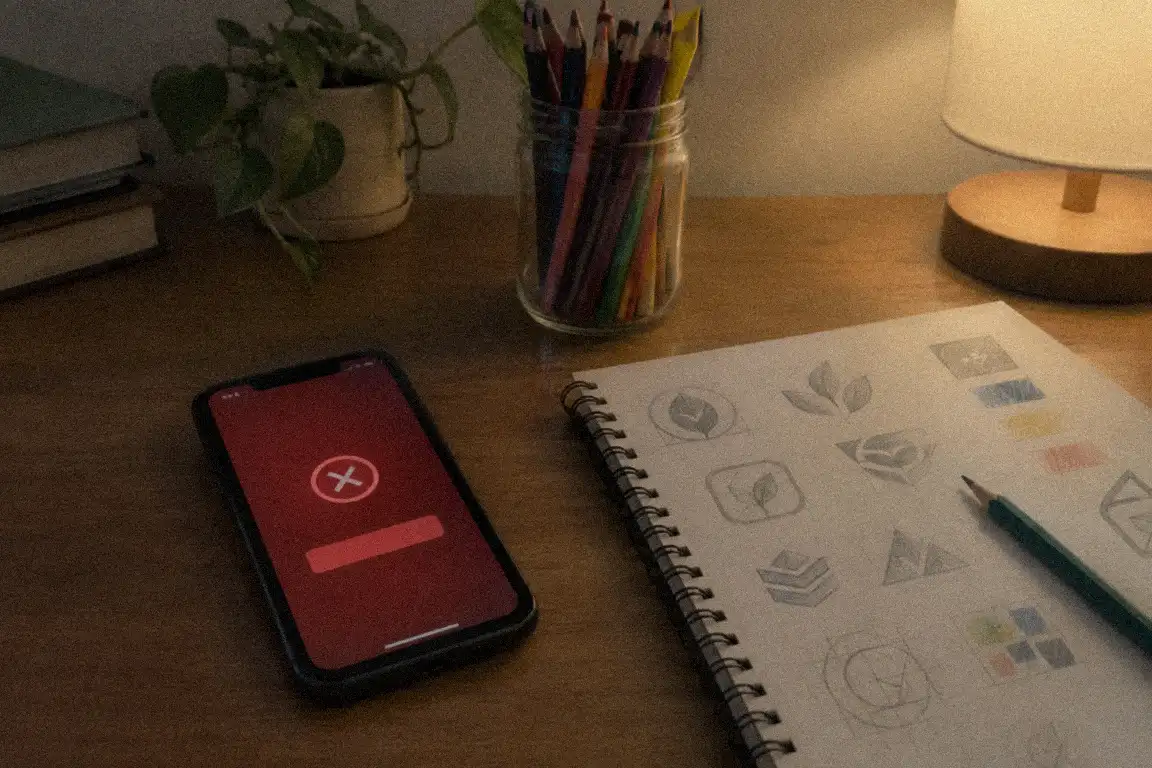
It happened on an ordinary Tuesday. I was getting ready to apply for an internship and I wanted to add a new project first. I typed in my username and password, the way I had a hundred times.
Incorrect credentials.
I tried again. Same thing. I tried the “forgot password” link, and the reset email never arrived. I visited my site’s address and got a blank error page instead of my portfolio.
I searched the host’s website for help and found a short notice. The service was changing, and free accounts were being closed or removed. I might have been sent an email at some point. Checking my inbox, I found one from months before, sitting unread among the newsletters, with a subject line I’d taken for junk.
What I lost, and what I hadn’t
Here’s the painful bit. I had no backup. Not a single copy of the site files on my laptop, because why would I? It was on the internet, safe and permanent, or so I’d assumed.
I did have the original project files scattered on my computer and an old external drive, so the real work wasn’t entirely lost. But the site itself, the layout, the text I’d written about each project, the way it all fitted together, was gone. Rebuilding took weeks that I really didn’t have.
There was a second loss, too. My site’s address belonged to the free host. When the site went, so did the link I’d handed to everyone. Anybody who’d bookmarked it now found nothing.
How I do it now
I’m not against free hosting. It’s honestly a good place to experiment, to learn, and to make mistakes with nothing at stake. The mistake was treating it as a permanent home.
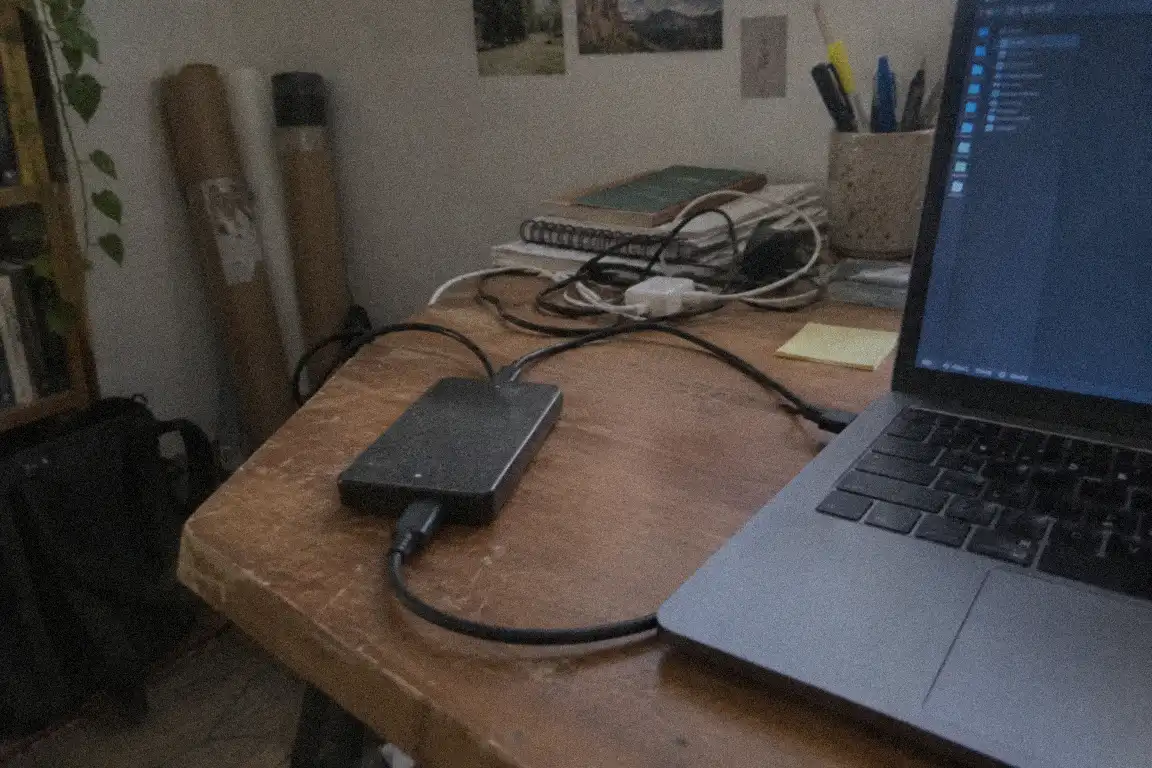
These days I keep the master copy of every site on my own computer, with a second copy in cloud storage. I bought my own domain name, which costs a small amount each year, so my address is mine and I can point it wherever I like. And I moved the portfolio to a low-cost paid host whose terms I could actually read.
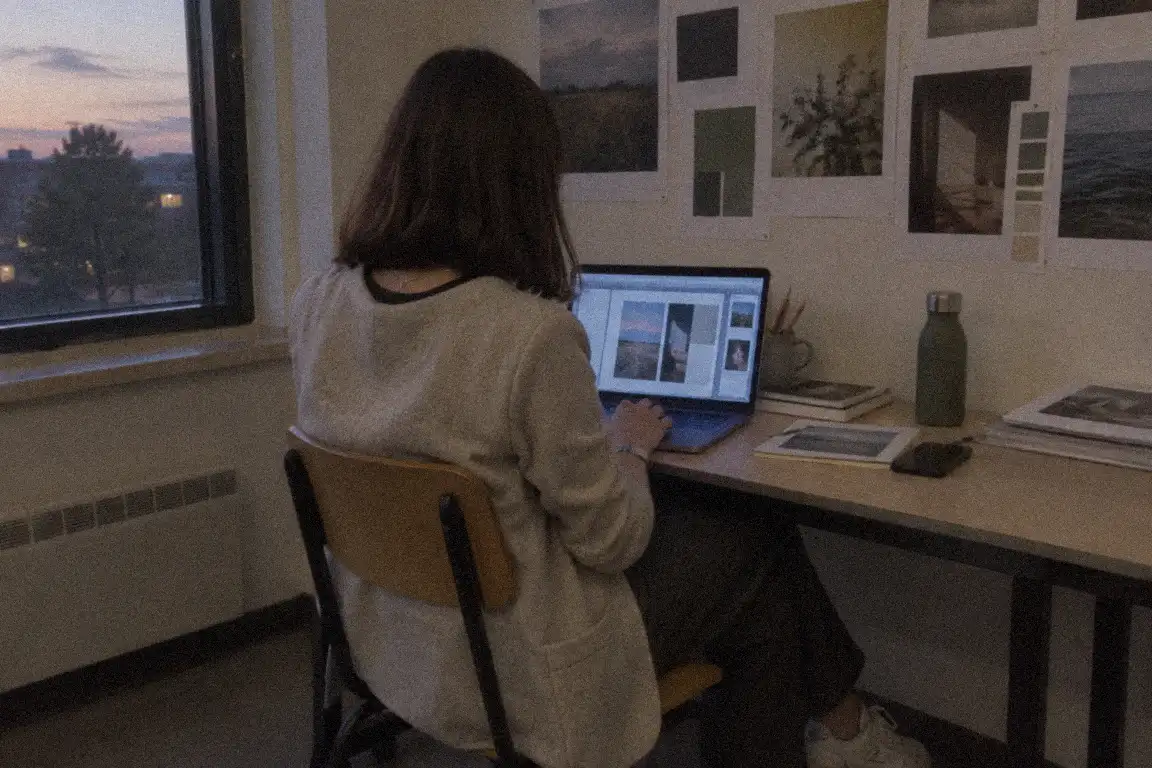
The whole thing cost me less over a year than a few takeaway coffees a month. I wish I’d done it from day one.
I think about that Tuesday whenever a client tells me they’d rather start on a free plan “just to see”. I never talk them out of experimenting, because experimenting is how I learned. I just ask three questions. Do you own the domain name? Is there a copy of everything on your own computer? Would losing this site this week cost you a job, a client or a grade? If the answer to the third one is yes, it’s time to move somewhere with a contract.
It’s a gentle conversation, because I remember exactly how that notice felt when I finally found it.
There’s one more thing I’d say to anyone starting out the way I did. Nobody did anything wrong to me. The host was a business, the business changed direction, and a free account was the first thing to go. That’s not villainy, it’s just how free things work. The only thing I could have controlled was my own copy, and that took five minutes of dragging a folder. I think about that every time I back up a client’s site now, and I do it before I think I need to.
A few things I’d tell you
- Use free hosting to learn and experiment. It’s great for that.
- Keep a full copy of your site somewhere you control. A laptop folder plus a cloud copy is plenty.
- Buy your own domain. It’s the one thing that lets your address survive a move.
- Read the emails from your host. Notices about changes and closures hide among the newsletters.
- Don’t make it your only home for anything you’ll need for a job, a client or a grade.
Free hosting comes with no promise it’ll be there tomorrow. Make sure you are.
To sum it up
- Free hosting is fine for experiments, but it comes with no promise it'll be there tomorrow.
- Always keep your own copy of your files somewhere you control.
- Register your own domain so your address can move with you.
- Never make free hosting the only home for something you'll need.