The story
The checkout cart that kept growing
The banner said $3 a month. The last screen before I paid said something quite different. I nearly clicked anyway.
By Elena Novak, WordPress & Managed Editor · 6 min read
·
Disclosure: Some links on this page are affiliate links — if you sign up through one, we may earn a commission at no extra cost to you. It never changes our ratings, rankings or verdicts: we don't sell hosting and take no pay-for-placement.

This is one of my earliest hosting memories, from back when I was a design student and the only websites I’d made were for coursework. I’d wanted a proper portfolio for years, somewhere to put my illustrations and my first brand projects. I could design it. I could even code the pages by hand. The only thing stopping me was the fear of getting the hosting part wrong, because nobody had ever explained it to me.
Then I found a hosting plan with a banner that felt like a friendly nudge: $3 a month. I told myself I could afford three dollars. I clicked, chose a name for my site, and headed for checkout feeling brave.
The last screen showed a total that made me put my tea down.
The cart that grew
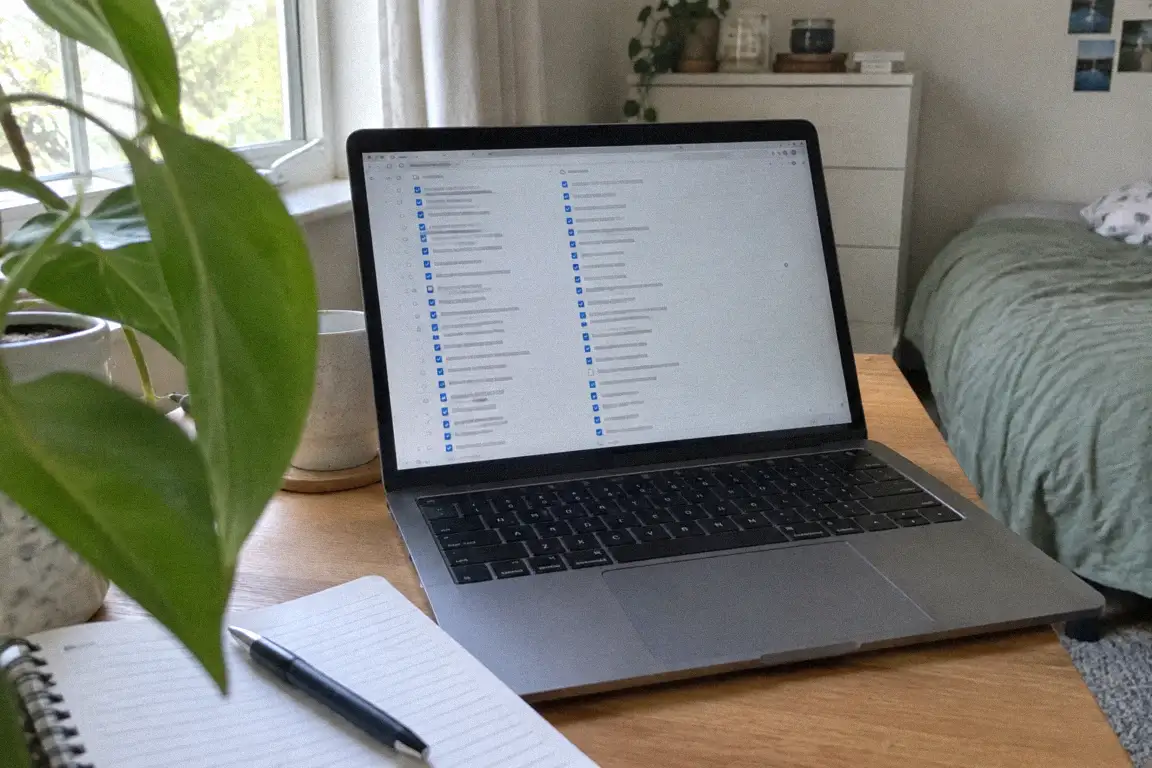
I hadn’t chosen anything unusual. But somewhere between the banner and the button, my basket had filled up:
- the hosting plan itself
- a domain registration
- a “privacy protection” add-on
- a “site backup” service
- an “SEO booster” of some kind
- a longer billing term, pre-selected, because it “saved money”
Several of these were ticked already. Nothing was hidden, exactly. Every line was there in plain type. But the sheer number of little boxes, each with a friendly benefit, added up to a total three or four times the number I’d been carrying in my head.
The scramble
My first instinct was to close the tab. My second was to keep going, because I’d already spent an hour, and sunk cost is a powerful thing.
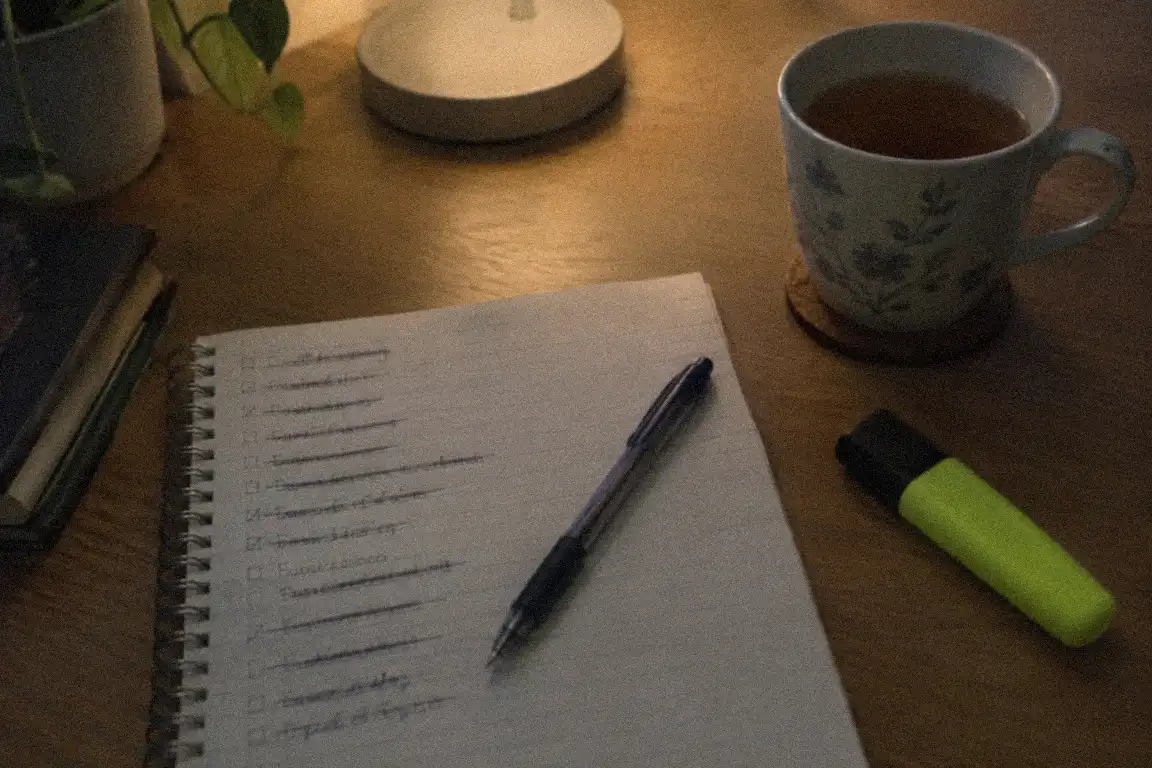
Instead I did something that felt slightly silly: I opened a notebook and wrote every line out. Then, one by one, I asked: do I need this, and is it already included?
Some answers surprised me. Certain “add-ons” turned out to be included with the plan or available free elsewhere. Privacy on the domain was worth considering, so I kept that one after checking what it did. The backup service I could replace with something simpler. The SEO booster I couldn’t explain, so I didn’t buy it. The longer term I weighed against the renewal price and chose deliberately, not because a box was pre-ticked.
I unticked, re-read, and reached a total I could look at without flinching.
Looking back, what struck me most was how calm the whole screen was. There was no flashing banner or countdown, only a tidy list with friendly little descriptions. That’s what makes it work. Nothing about it feels like a trap, so nothing makes you stop. I only caught it because my budget was so tight that the total felt physically wrong, and I’m grateful for that now. A bigger budget might have let me click straight through, and I’d have paid for a year of things I couldn’t have explained to anyone.
I also noticed the renewal line, tucked at the very bottom in smaller type. The first year was cheap. The second was not. Writing that number in my notebook next to today’s total gave me the honest picture of what the plan would cost me over time, and that was the number I decided on.
What I took from it
I don’t think the shop did anything wrong. Selling extras is normal, and some of them are genuinely useful. My mistake was treating the banner as the price. The banner is the invitation. The checkout is the bill.
It’s a mindset shift: I stopped trying to find the cheapest plan and started trying to understand the whole cost, including what I truly needed.
The conversation with my developer friend
I mentioned all this to a friend who builds servers and sites for a living, expecting sympathy. Instead she laughed, kindly, and said, “Welcome to checkout.” She told me the trick is to see the cart as a menu, not a set meal. You’re allowed to order less.
She also showed me how to check what a plan already includes: usually a comparison table further down the page, which I’d never scrolled to. Two of my “must-have” extras were sitting right there, free.

That single afternoon changed how I shop for anything online. I slow down at the last screen, I scan for anything pre-selected, and I ask what happens at renewal. Years later, it’s exactly what I do with every client’s hosting before I let them pay for it. It’s not paranoia, just manners in both directions. The shop gets to offer; I get to say no thank you.
A few things I’d tell you
- Read every line of the cart before you pay. Slowly, out loud if needed.
- Look for pre-ticked boxes and untick anything you can’t explain.
- Check what’s already included in the plan, so you don’t buy it twice.
- Compare the final total, not the banner, between hosts.
- Note the renewal prices of each extra, not just today’s.
The cheap plan and the cheap checkout are two different things. Only one of them shows up on your card.
To sum it up
- The plan price and the cart total can be very different numbers.
- Read every line in the cart. Add-ons are sometimes pre-ticked.
- Know what your plan already includes so you don't pay for it twice.
- The cheap plan and the cheap checkout are two different prices.