Free Web Hosting

Infrastructure Editor
Disclosure: Some links on this page are affiliate links — if you sign up through one, we may earn a commission at no extra cost to you. It never changes our ratings, rankings or verdicts: we don't sell hosting and take no pay-for-placement.
Who it's for
- Hobby projects
- Students learning to build sites
- Quick prototypes
- Testing/throwaway sites
Free web hosting provides hosting at no direct monetary cost to the site owner. It’s almost always shared infrastructure. It’s a real type of web hosting. But every attribute that matters for a serious site gets pushed to its lowest point. That’s the trade-off for the zero price tag.
What Free Web Hosting Is
Free web hosting is a hosting arrangement where the customer pays nothing in cash. The provider recovers its costs some other way. Most commonly, that means running mandatory advertisements on the hosted site. It can also mean forcing platform branding into the site’s URL or footer. Or treating the free tier as a loss-leader, designed to eventually upsell the customer to a paid plan.
What Is the Best Free Web Hosting Available?
The best free web hosting still includes a working control panel, some file storage, and a functioning subdomain. That’s even at rock-bottom resource limits. Providers like InfinityFree offer a genuinely ad-free free tier for basic PHP and static sites. That sets it apart from ad-funded competitors. Platforms built for static or code-driven sites, like GitHub Pages and Netlify, sit in a related but different category. They’re free by design for a specific use case, like static sites or developer projects, not general-purpose free shared hosting. None of these replace a paid host’s SLA or support. But they represent the more usable end of the free tier.
How Free Web Hosting Works
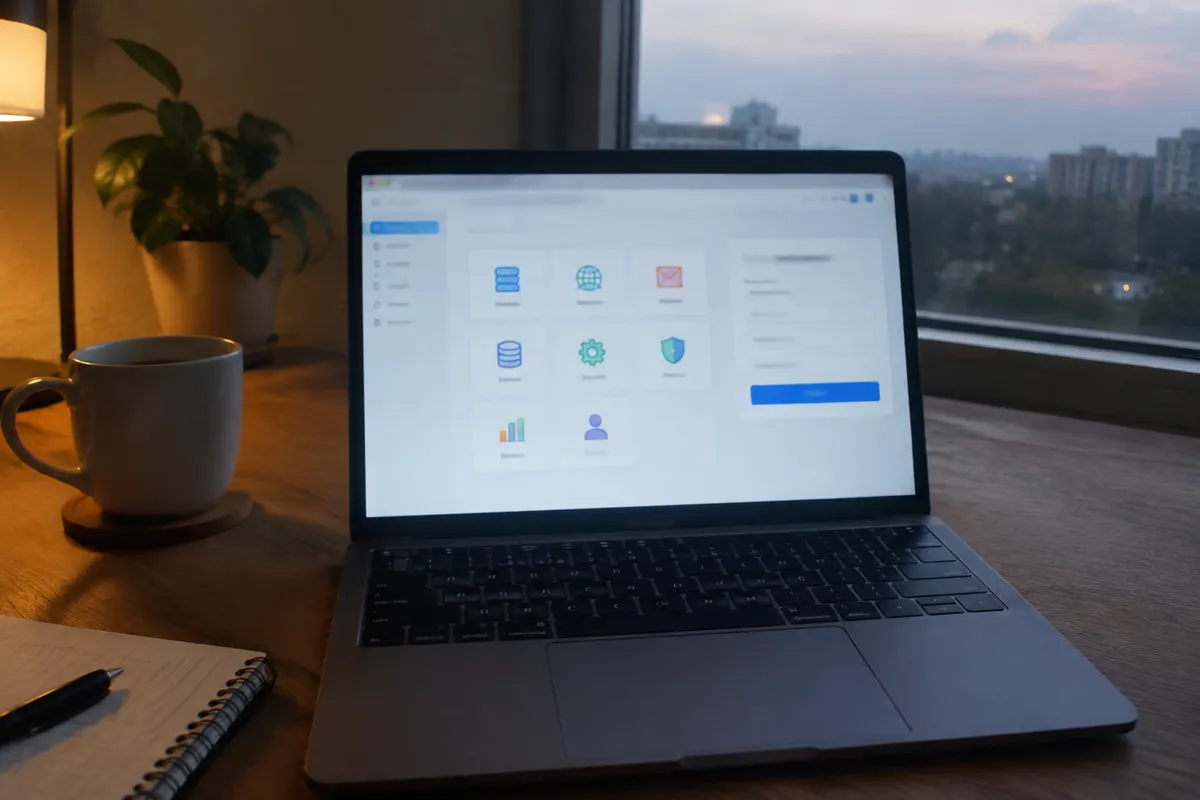
A free hosting provider runs the same basic shared-hosting infrastructure as a paid shared host. It allocates a much smaller slice of resources per account. It typically injects revenue-generating elements directly into the free product. Think ads, branded subdomains instead of custom domains, and upgrade prompts. There’s no direct revenue from the customer. So providers have limited incentive to prioritize free accounts during resource contention. They also have less incentive to maintain generous uptime guarantees or staff meaningful support for that tier. Many free hosts still run a scaled-down cPanel or a comparable control panel. So basic site management still works.
Free Hosting Limits You Should Expect
Free hosting limits sit well below even basic shared hosting. The same pooled-resource model applies, often with tighter caps and less headroom before hitting a limit. Resources are minimal by design. Storage is limited to low hundreds of megabytes rather than gigabytes. Monthly bandwidth is capped. Email hosting is frequently missing entirely. Mailbox infrastructure is a real cost, and the provider has less incentive to absorb it for free.
Free Hosting vs Paid: What You Actually Give Up
Free hosting vs paid comes down to what disappears once you stop paying. By definition, the free price band is $0. That’s the entire appeal. The trade-off is baked into everything else on this page. Every other attribute is compressed, to make a genuinely free tier viable for the provider to offer at scale. Paid shared hosting restores the resources, support, and guarantees a free plan strips out.
Free Hosting Features and Their Real-World Ceiling
Free hosting features come with the lowest performance ceiling across every hosting type. There are no meaningful guarantees around uptime, response time, or resource availability. A free account can go down for extended periods. No SLA obligates the provider to prioritize a fix. There’s typically no compensation mechanism if it does.
Free Subdomain vs Custom Domain
A free subdomain is the default on almost every free hosting plan. It’s often the only option. Many free plans don’t support a custom domain at all. That forces the site onto a subdomain of the provider’s own branding, like sitename.freehostprovider.com. Some providers allow connecting an externally purchased domain to a free account. Many restrict free accounts to a branded subdomain only. This varies significantly by provider. It’s worth checking before committing to a free plan for anything beyond pure testing.
Free Hosting Ads: How the Provider Gets Paid
Free hosting ads are the most common way a free provider funds a zero-price plan. Common models include running ads directly on hosted sites. Another is using the free tier purely as a funnel toward paid upgrades. Or accepting the free tier as a limited-scale offering that costs little to run at low resource caps.
Who Free Web Hosting Suits
Free web hosting suits hobby projects, quick prototypes, and learning exercises. A student building their first website fits. So does a developer testing a small script publicly, or a temporary landing page. That’s provided it genuinely doesn’t matter if the site goes offline for a while. It’s a reasonable choice specifically when uptime, speed, and professional appearance carry no real cost if they fail.
Free Web Hosting Limitations
The limitations here are severe rather than minor. There’s typically no SLA of any kind. Downtime is common and frequently unannounced. Support, where it exists, is usually community-forum-based rather than direct provider assistance. None of this is a defect in the product. It’s the structural cost of a genuinely zero-price offering. But it makes free hosting fundamentally unsuitable for any site tied to income, reputation, or ongoing business use.

When to Upgrade From Free Web Hosting
The natural next step from free hosting is entry-level shared hosting. It restores a custom domain and real, if still modest, resource allocations. It also restores an actual, if basic, support relationship. All of that comes for a low monthly cost, typically starting around $2–$3 a month. For anyone weighing whether a project has outgrown “free,” the honest test is simple. If downtime or the loss of the site would cost real money, reputation, or opportunity, it’s time to move on. Try best cheap web hosting or a standard shared plan.
FAQ
Is free web hosting actually free, with no hidden costs? Financially, yes. No payment is required. The “cost” is non-monetary: mandatory ads on the site, no custom domain in most cases, weak or absent uptime guarantees, and minimal support.
Can I get a custom domain on free web hosting? Some providers allow connecting an externally purchased domain to a free hosting account. Many restrict free accounts to a branded subdomain only. This varies significantly by provider. It’s worth checking before committing to a free plan for anything beyond pure testing.
Is free hosting suitable for a portfolio site I show to employers? Generally not recommended. A branded subdomain, potential ads, and unreliable uptime undercut the professional impression a portfolio is meant to create. See best hosting for portfolio sites for a low-cost paid alternative that avoids these issues.
How does a free hosting company make money if I don’t pay anything? Common models include running ads on hosted sites. Another is using the free tier purely as a funnel toward paid upgrades. Or accepting the free tier as a limited-scale offering that costs little to run at low resource caps.
For where free hosting fits in the wider hosting taxonomy, see types of web hosting.