Hosting Money-Back Guarantees

Infrastructure Editor
Disclosure: Some links on this page are affiliate links — if you sign up through one, we may earn a commission at no extra cost to you. It never changes our ratings, rankings or verdicts: we don't sell hosting and take no pay-for-placement.
Who it's for
- Buyers comparing hosting plans before signing up
- First-time hosting buyers uncertain about committing
- Anyone burned before by a guarantee that turned out to be conditional
- Small business owners evaluating risk before a hosting purchase
A hosting money back guarantee is the provider’s way of pricing in the risk that you sign up, and it turns out to be the wrong plan, the wrong hosting type, or the wrong provider. A generous, clearly worded guarantee genuinely lowers the risk of trying a host. A guarantee that’s technically present but heavily conditioned barely lowers it at all. The only way to tell the difference is to read the actual terms before you buy, not after you’re trying to use it.
How Hosting Money-Back Guarantees Typically Work
Most hosting providers advertise a guarantee window — commonly somewhere between 14 and 45 days, though it varies by provider and plan — during which a new customer can cancel and receive some form of refund. The existence of a guarantee window is close to standard across the industry at this point. What varies enormously, and what actually determines its value, is what happens inside that window.
Full Refund vs Prorated Refund
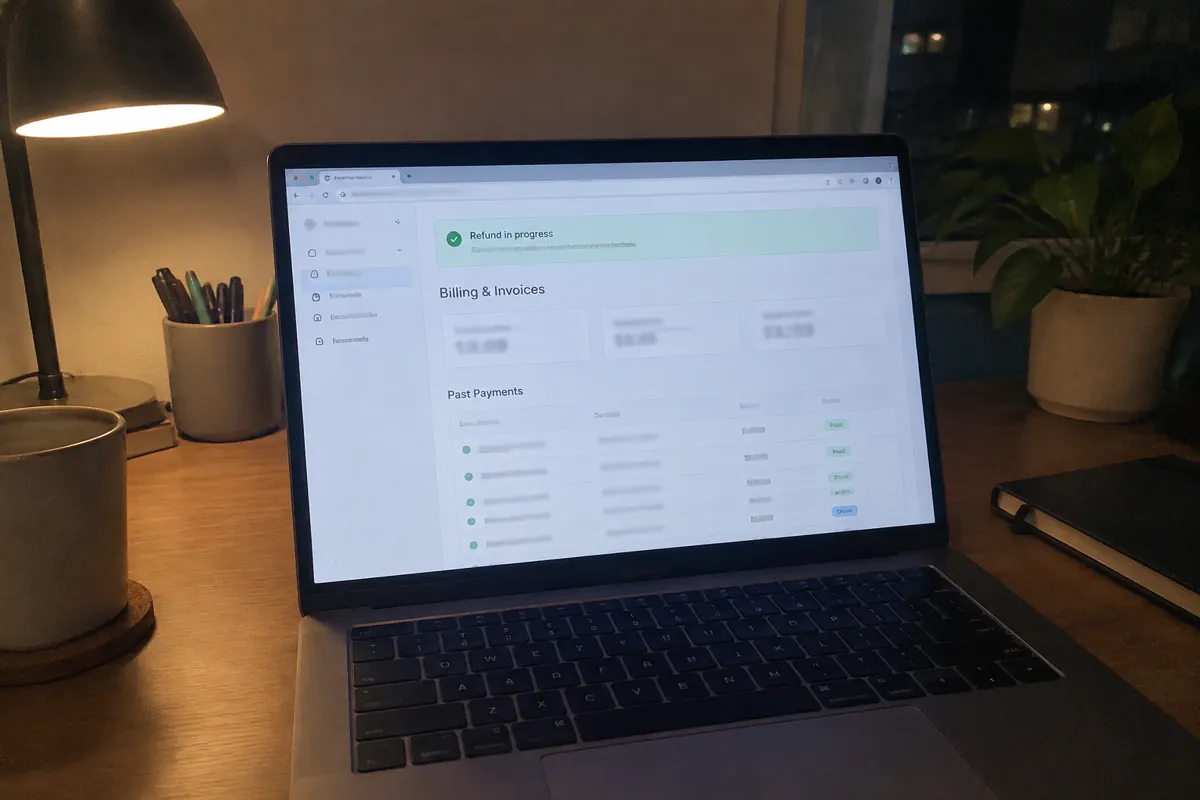
Some guarantees promise a full refund of everything paid, no questions asked, within the window. Others promise only a prorated refund — you get back a portion of what you paid, adjusted for the days already used, or minus a cancellation processing fee. Both get marketed under the same “money-back guarantee” language, but they’re materially different offers. Confirm which one you’re being offered before you rely on it.
What’s Typically Excluded
Read the exclusions list closely — this is where a guarantee’s real value shows up. Commonly excluded from refund:

- Domain registration fees — often non-refundable even when the hosting plan itself is covered, because the domain registry has already been paid.
- Add-on purchases — premium SSL certificates, dedicated IPs, or third-party licenses bought alongside the plan are frequently carved out.
- Setup or migration fees — a one-off charge for account setup or a site migration is sometimes non-refundable even if the hosting plan is.
- Certain plan types — reseller, dedicated, and some VPS plans are less likely to carry a full guarantee than shared or WordPress plans, since the provider has already committed real hardware resources.
How the Refund Is Actually Processed
Ask, or check the terms, for how long a refund takes to process and whether it goes back to the original payment method automatically or requires a support request. A guarantee that’s technically honored but takes weeks and multiple follow-ups to actually receive is a weaker real-world protection than the headline window suggests.
How to Evaluate a Hosting Money Back Guarantee Before You Buy
- Find the guarantee terms, not just the marketing badge. The number of days on the pricing page rarely tells you the conditions — look in the terms of service or a dedicated refund policy page.
- Check whether it’s full or prorated, and whether that changes depending on how far into the window you cancel.
- List what’s excluded — domain fees, add-ons, and setup charges most commonly.
- Check the process — how you initiate a refund, and the stated turnaround time.
- Weigh the guarantee against the renewal price — a strong intro guarantee doesn’t offset a weak renewal-pricing structure down the line; they protect against different risks.

Treat a strong, clearly worded, minimally conditioned guarantee as a genuine point in a provider’s favor when you’re deciding between two similarly priced options. It’s one of the few risk-reducing terms you can actually verify in advance. Fold this into the full decision process in how to choose web hosting, alongside the other questions worth asking before you buy.
FAQ: Hosting Money-Back Guarantees
How long is a typical hosting money-back guarantee? Commonly somewhere between two weeks and 45 days, though this varies by provider and plan type — always check the specific terms rather than assuming an industry standard.
Are domain fees refundable under a hosting money-back guarantee? Usually not, even when the hosting plan itself is fully refundable — domain registration is typically treated as a separate, non-refundable purchase.
Is a longer guarantee window always better? Not necessarily — a shorter full-refund guarantee can be more valuable than a longer prorated one. Read the conditions, not just the number of days.
What should I do if a provider refuses a refund I believe I’m owed under their guarantee? Check the exact wording of the guarantee you agreed to, keep any written correspondence, and escalate through the provider’s formal support channel before assuming the guarantee is void — some exclusions are easy to misread.