Hosting Renewal Pricing Traps

Infrastructure Editor
Disclosure: Some links on this page are affiliate links — if you sign up through one, we may earn a commission at no extra cost to you. It never changes our ratings, rankings or verdicts: we don't sell hosting and take no pay-for-placement.
Who it's for
- Anyone about to buy a hosting plan
- Site owners approaching a renewal date
- Small business owners on a fixed hosting budget
- Buyers comparing intro offers across hosts
Hosting renewal pricing is where the gap between an advertised deal and the real, ongoing cost of a plan shows up. Almost every hosting provider prices its plans with a discounted introductory term and a separate, higher renewal rate. Because auto-renewal is on by default almost everywhere, that jump happens automatically unless you go looking for the number in advance. This page explains how the hosting renewal price trap works and exactly how to find your real renewal price before you commit.
How the Hosting Renewal Price Trap Works
The Intro Discount Applies to the First Term Only
The price on a hosting provider’s landing page is, in the overwhelming majority of cases, an introductory rate. It might apply for the first year, or in more aggressive cases, just the first billing cycle. Once that term ends, the plan renews at the provider’s standard rate — which can be two, three, or more times the intro number. This is disclosed, but rarely prominently: it’s usually in the fine print near the pricing table, on a separate pricing FAQ page, or in the terms of service, not next to the big number that gets the click.
Auto-Renewal Is the Default
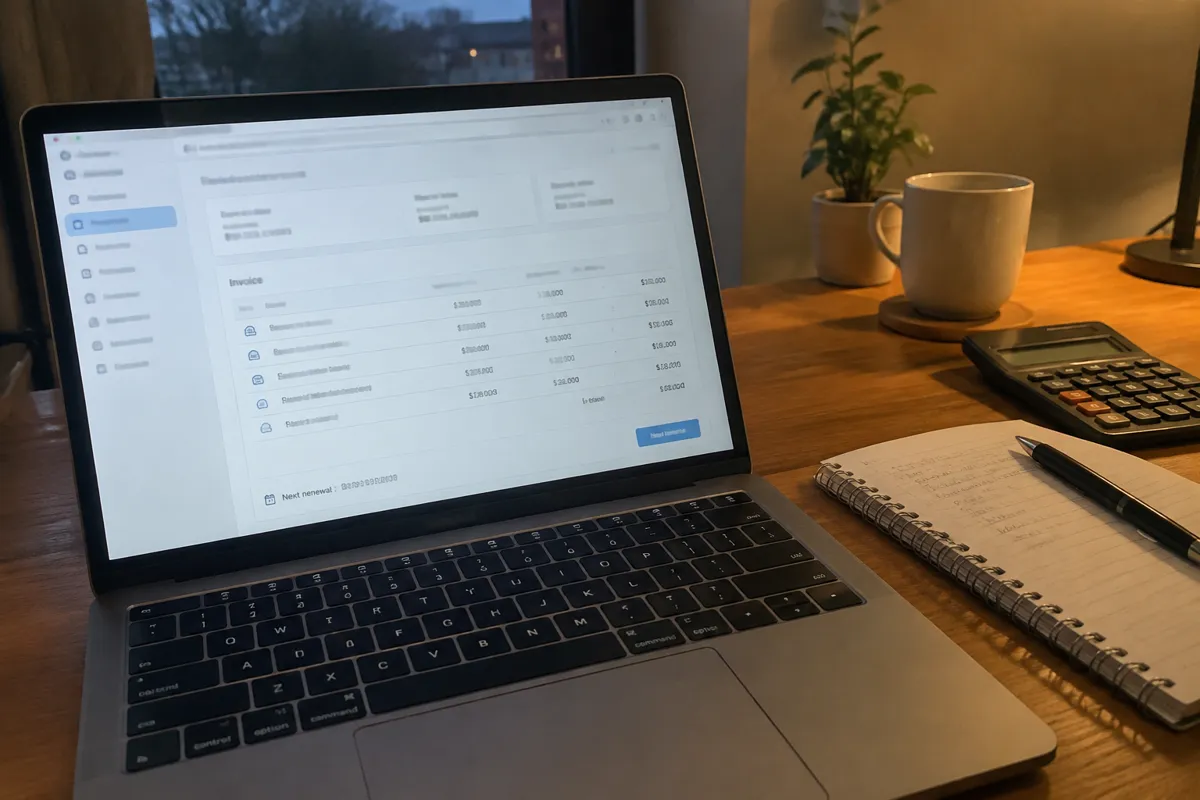
Almost every host enrolls new customers in auto-renewal by default, charging the card on file automatically when the current term ends. This is standard industry practice, not unique to any one provider. But it means the renewal-price jump is silent unless you’re actively tracking your renewal date. The first most buyers hear of it is the invoice itself.
Longer Terms Can Mask the Problem — Or Delay It
Signing up for a 2–3 year initial term locks in the intro rate for longer, which feels safer. But it also means the eventual jump is further away and easier to forget about entirely. It doesn’t remove the trap; it postpones it. Whatever term you choose, note the renewal date and the renewal rate at the time you sign up, not just the term you’re paying for today.

How to Find Your Real Hosting Renewal Price Before You Buy
- Look for a “renewal price” or “regular price” line, usually shown in smaller text near or below the discounted headline price.
- Check the provider’s own pricing FAQ or knowledge base — most publish standard renewal rates by plan and term length, separate from the promotional landing page.
- Read the relevant clause in the terms of service — auto-renewal terms and the applicable rate are contractual, not just marketing copy; see hosting terms of service explained for how to read that section.
- Ask directly in pre-sales chat if it isn’t published. A provider that won’t give you a straight renewal number before you buy is itself a signal worth weighing.
- Calculate the real multi-year cost, not just the first-term cost, before comparing two providers. See web hosting cost for typical bands to sanity-check the number you’re quoted against.

What to Do If You’re Already Approaching a Renewal
If you’re an existing customer nearing a renewal date rather than a new buyer, you have leverage the pricing page won’t show you:
- Check for a loyalty or “save my account” retention offer — many hosts will discount an upcoming renewal if you contact support and mention you’re considering switching, though this isn’t guaranteed and shouldn’t be relied on as a plan.
- Compare the renewal quote against switching costs. How to switch web hosts walks through migration effort so you can weigh a renewal increase against the real cost of moving.
- Turn off auto-renewal if you want the option to shop around, and set a calendar reminder well before the plan lapses. A lapsed hosting account can mean site downtime, so don’t let auto-renewal off become “the site just goes offline.”
FAQ: Hosting Renewal Pricing
Is a big renewal price jump a sign of a bad host? Not necessarily on its own — it’s near-universal industry practice. What matters is whether you knew the number going in and budgeted for it, versus being surprised by it.
Can I negotiate my hosting renewal price? Sometimes. Contacting support before a renewal, especially if you mention comparing other providers, occasionally results in a retention discount, though this varies by provider and isn’t guaranteed.
How do I stop a renewal price jump from surprising me again? Note the exact renewal rate and date when you sign up, set a reminder ahead of it, and re-check web hosting pricing each renewal cycle rather than assuming the rate hasn’t changed.
Should I choose a longer term to lock in the low price? It can help temporarily, but it delays rather than removes the eventual renewal jump. Decide based on how confident you are in the plan and provider overall — see how to choose web hosting for the fuller decision process.