What Is a Web Server?

Infrastructure Editor
Disclosure: Some links on this page are affiliate links — if you sign up through one, we may earn a commission at no extra cost to you. It never changes our ratings, rankings or verdicts: we don't sell hosting and take no pay-for-placement.
Who it's for
- First-time website owners
- Students learning web infrastructure
- Small business owners comparing hosting plans
By Marcus Feld, Infrastructure Editor (former data-center systems engineer)
What Is a Web Server? A Plain Definition
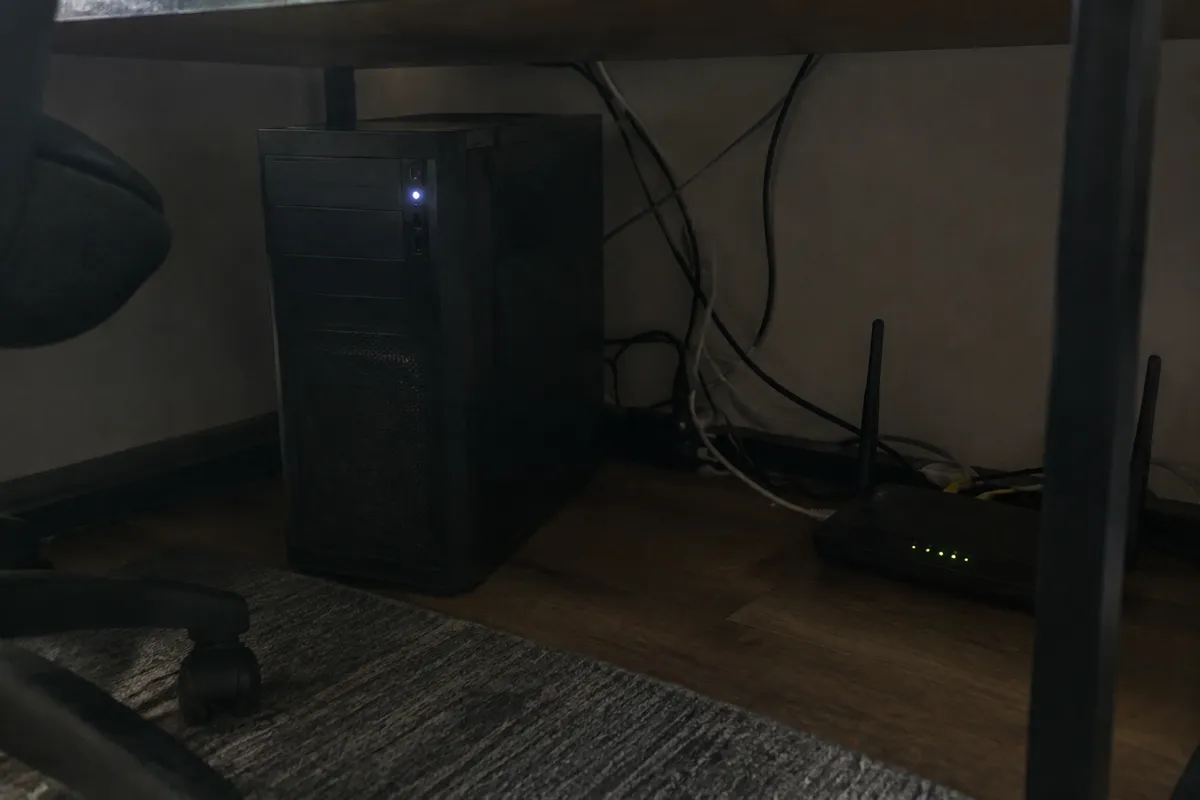
A web server is a computer whose specific job is to store website files and hand them over whenever a browser requests them. More precisely, the term covers both the physical or virtual machine and the software running on it. It refers to the hardware storing the site, and it refers to the software program that actually listens for incoming requests and decides what to send back. In everyday conversation, both meanings are usually meant at once.
The Analogy: A Librarian at a Front Desk
Picture a librarian standing at a front desk in a building full of books. A visitor walks up and asks for a specific title. The librarian doesn’t hand over the whole library — they go find the exact book requested and bring it to the desk. A web server behaves the same way. It holds a large collection of files (HTML pages, images, scripts, style sheets). When a specific request comes in for one particular page, it retrieves just that page and returns it, rather than exposing every file it holds.
How a Web Server Connects to Hosting
Every hosting plan is, underneath the marketing language, a way of buying access to a web server’s resources. The difference between hosting types comes down to how that access is divided. Shared hosting puts many customers’ files on one server, all served by the same web server software. Dedicated hosting gives one customer the entire physical machine and full control over the web server software running on it. That control covers which software to run, how it’s configured, and how much traffic it can absorb before performance suffers. When a hosting plan advertises “runs on Nginx” or “powered by LiteSpeed,” it’s describing which web server software handles that plan’s traffic.

The Software Layer: Which Program Actually Runs
The most widely used web server software programs are:
- Apache — the long-standing, highly configurable, most widely deployed web server software historically, still common on shared hosting.
- Nginx — built for speed and handling many simultaneous connections efficiently, now the most common choice for high-traffic sites.
- LiteSpeed — a commercial alternative popular with WordPress-focused hosts for its built-in caching performance.
A full side-by-side breakdown of the two most common choices lives in Apache vs Nginx.
Server-Side vs Client-Side: Where the Web Server Fits
A web server’s job is entirely on the “server side” of a website’s operation. It processes requests and prepares responses before anything reaches the visitor’s device. Once the response arrives, the visitor’s browser takes over, rendering the page and running any code meant to execute locally. That division of labor, and why it matters for how a site is built and hosted, is explained fully in server-side vs client-side.
Related Terms
HTTP/HTTPS
The protocol a web server uses to receive requests and send responses.
Server software
The actual program (Apache, Nginx, LiteSpeed) doing the request-handling work.
Application server
A related but distinct term for software that runs application logic, sometimes paired with a web server.
Dedicated server
A physical machine, running web server software, given entirely to one customer.
A Concrete Example
A small business runs its website on a VPS hosting plan. The plan includes a virtual machine running Nginx as its web server software. When a customer’s browser requests the homepage, Nginx receives that request, checks its configuration for where the homepage files live, retrieves them, and sends them back. If the same VPS also ran a different web server program instead — Apache, for instance — the visitor experience would look identical. The internal software handling the request would just be completely different. The web server software is invisible to visitors; it only matters to whoever configures and manages the hosting.

Common Misconception
Many people assume “web server” refers only to a giant piece of physical hardware sitting in a data center. In modern hosting, a huge share of “web servers” are virtual. Each one is a slice of a physical machine, created through server virtualization, running its own copy of web server software as if it were a standalone machine. The physical hardware still exists somewhere, but a customer’s “server” is very often not a whole dedicated box at all.
A second misconception treats “web server” and “website” as the same thing. The web server is the infrastructure that stores and serves a site; the website is the collection of content and code being served. A single web server can, and usually does, serve many different websites at once.
FAQ
Do I need to choose which web server software my hosting uses? Most hosting customers never need to choose. The provider selects and manages the web server software as part of the plan. Developers on VPS or dedicated plans with full control can install and configure their own choice.
Is a web server the same as a database server? No. A web server handles requests for files and pages; a database server stores and retrieves structured data, like product listings or user accounts. Many sites use both together, with the web server calling the database as needed to build a page.
Can one web server host multiple websites? Yes. This is standard practice, especially on shared hosting. A single physical or virtual server runs one instance of web server software configured to serve dozens or hundreds of separate sites, each identified by its own domain.
What’s the difference between a web server and a web host? A web server is the machine and software doing the work of storing and serving files. A web host is the company that owns, maintains, and rents out access to those servers as a commercial service.