Grid Hosting

Infrastructure Editor
Disclosure: Some links on this page are affiliate links — if you sign up through one, we may earn a commission at no extra cost to you. It never changes our ratings, rankings or verdicts: we don't sell hosting and take no pay-for-placement.
Who it's for
- teams prioritizing redundancy over raw single-node speed
- developers evaluating distributed-infrastructure alternatives to mainstream cloud
- researchers exploring grid computing for hosting workloads
What Is Grid Hosting?
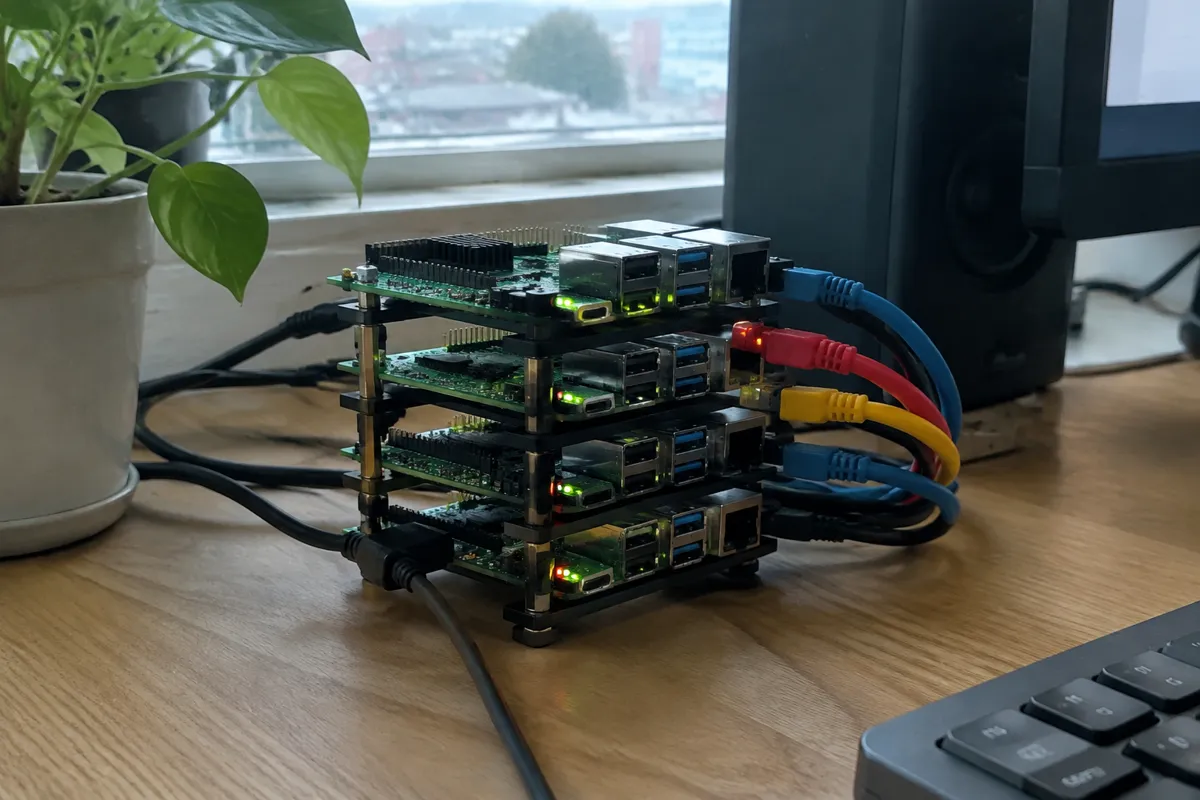
Grid hosting spreads a website’s workload across a cluster of independent servers that together act as one logical resource pool. It shares the same basic principle as cloud hosting: resources distributed across multiple machines rather than concentrated on one. But the underlying infrastructure model differs. Cloud hosting typically runs on a single provider’s virtualized data center, with resources allocated across their own uniform hardware fleet. Grid hosting is built on a loosely coupled grid of machines that can be geographically scattered. In some grid-computing models, those machines are owned by different entities entirely, not one central operator.
This distinction traces back to grid computing’s origins. It began as a distributed-computing concept: pooling computational resources from many independent sources to tackle workloads too large for one machine. That idea was later adapted into a hosting model, where the same pooled, resilient structure serves websites and applications.
How Grid Hosting Works (Distributed Nodes and Resilience)
A grid hosting platform distributes a site’s files, application logic, or computational workload across multiple nodes. It doesn’t run everything on one machine. Requests get routed to available nodes. The workload is designed so no single node is a bottleneck or single point of failure. If one node goes down — through hardware failure, maintenance, or a network issue — the remaining nodes absorb the load. The site keeps serving traffic without visible interruption to visitors.

This differs from how a single-provider cloud hosting platform handles resilience. Cloud resilience typically relies on redundancy within one company’s data centers or availability zones, not a genuinely independent, loosely coupled cluster.
Resources and Isolation for Grid Hosting
Isolation on grid hosting is virtual and workload-distributed. A given site’s processing gets spread across multiple grid nodes rather than confined to one virtual machine. Resources scale with the grid’s total capacity, not any single machine’s specifications. The practical resource ceiling is defined by how much of the grid is available to a given workload. That’s different from a VPS or dedicated server, where the ceiling is one server’s specs.
Grid Hosting Price Band
Price bands for grid hosting sit close to cloud hosting pricing. It’s typically usage-based or tiered by allocated capacity, not a flat fee tied to one machine’s specs. The exact economics vary more by provider than with mainstream cloud platforms. Grid hosting is a less standardized market, with fewer large operators setting a consistent price baseline.
Grid Hosting Performance and Resilience
The performance ceiling is comparable to cloud hosting, but resilience is the defining selling point, not raw single-node speed. A grid architecture trades some potential peak performance on any one request. In return it offers a structural guarantee that no single node failure takes the whole service down. For workloads where uptime under partial infrastructure failure matters more than shaving milliseconds off a request, this trade-off favors grid hosting.
Who Grid Hosting Suits
High-availability applications, where redundancy across genuinely independent infrastructure matters more than raw speed, are the clearest fit. This includes workloads that need to tolerate the failure of an entire node or cluster segment without downtime. It also includes use cases from grid computing’s research and scientific-computing roots, where distributed, fault-tolerant processing was the original design goal.
Limitations of Grid Hosting
Grid hosting setups are less common and less standardized than mainstream cloud hosting platforms. That means fewer providers to choose from, thinner documentation, and a steeper setup curve. Teams used to the polished onboarding of major cloud platforms will notice the gap. The lack of standardization also makes it harder to compare offerings directly across providers. “Grid hosting” doesn’t map to one consistent implementation the way “VPS” or “dedicated” do.
Upgrade Path for Grid Hosting
Teams outgrowing a grid hosting setup, or finding the ecosystem too thin, typically move toward mainstream cloud hosting. Cloud hosting offers similar distributed-resource benefits with far more standardized tooling and provider choice. Conversely, teams prioritizing redundancy across independently owned infrastructure — rather than one company’s data centers — may stay on grid hosting. That independence is precisely the feature they need.
FAQ
Is grid hosting the same as cloud hosting?
Related but not identical. Both distribute resources across multiple machines. Grid hosting is built on a more loosely coupled, sometimes independently owned cluster. Cloud hosting typically runs on one provider’s own virtualized data center.
Why would I choose grid hosting over cloud hosting?
Mainly for the resilience model. If a workload needs to survive the failure of an entire node or infrastructure segment, grid hosting fits. Its architecture is built around exactly that kind of node independence.

Is grid hosting good for a small website?
Not typically the best fit. Its strengths are redundancy and distributed fault tolerance, which matter most for high-availability applications. A low-traffic site is usually better served by shared hosting or a small VPS, which are simpler and cheaper.
Does grid hosting scale automatically like cloud hosting?
Scaling depends on the grid’s total available capacity and how the provider manages allocation across nodes. It’s conceptually similar to cloud scalability but less standardized across providers.