Colocation vs Dedicated Hosting

Infrastructure Editor
Disclosure: Some links on this page are affiliate links — if you sign up through one, we may earn a commission at no extra cost to you. It never changes our ratings, rankings or verdicts: we don't sell hosting and take no pay-for-placement.
Who it's for
- Enterprises with in-house IT/hardware teams
- Businesses with strict data-sovereignty requirements
- High-scale operations optimizing long-term infrastructure cost
- Anyone comparing owning vs renting server hardware
Colocation vs dedicated hosting is a comparison most relevant to organizations with real infrastructure scale, because both options provide exclusive use of physical hardware. The difference is who owns that hardware. Colocation hosting means you buy the physical server yourself and pay a data center to house it, power it, and connect it to the internet. Dedicated hosting means the provider owns the hardware and rents the entire machine to you, with no other tenant.
Colocation vs Dedicated Hosting: Who Owns the Hardware
With colocation, you’re the hardware owner. You select, purchase, and configure the physical server, then ship or deliver it to a data center that provides rack space, power, cooling, and network connectivity — but not the server itself. With dedicated hosting, the provider owns the physical machine outright. You’re renting exclusive access to it, and they’re responsible for the hardware’s condition, replacement, and the facility it sits in.
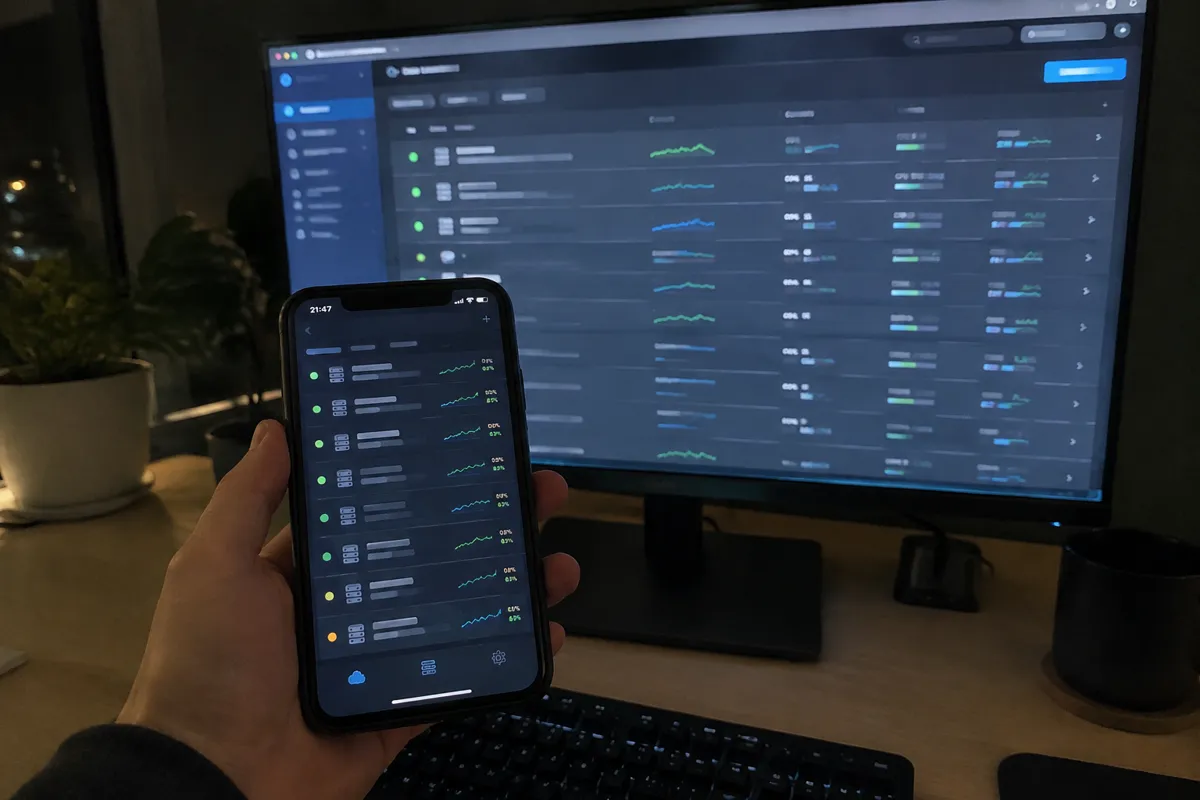
Colocation vs Dedicated: Cost Structure Delta
| Factor | Colocation | Dedicated Hosting |
|---|---|---|
| Upfront hardware cost | High (you buy the server) | None |
| Ongoing facility cost | Rack space + power + bandwidth fee | Included in monthly rate |
| Hardware ownership | You | Provider |
| Hardware failure responsibility | Yours (you replace/repair) | Provider’s (typically swaps hardware) |
| Hardware customization | Full — any spec you can buy | Limited to provider’s available configurations |
| Contract flexibility | Long-term (hardware is a sunk cost) | Month-to-month or term contracts, easy to change |
| Break-even point | Favorable at large scale, long time horizon | Favorable at smaller scale or shorter time horizon |
| Best for | Large operations with in-house hardware expertise | Most businesses needing exclusive hardware without capital outlay |
Colocation vs Dedicated Hosting: Control and Performance Delta
Both options give you full control over the software stack. For identical hardware specs, they perform effectively identically — neither has a virtualization layer, and neither shares hardware with another tenant. The real control difference is at the hardware level itself. Colocation lets you spec, source, and upgrade the exact hardware you want, including custom components a dedicated hosting provider may not offer. Dedicated hosting limits you to whatever configurations the provider has built and stocked, but it removes the burden of sourcing, shipping, and physically maintaining hardware.
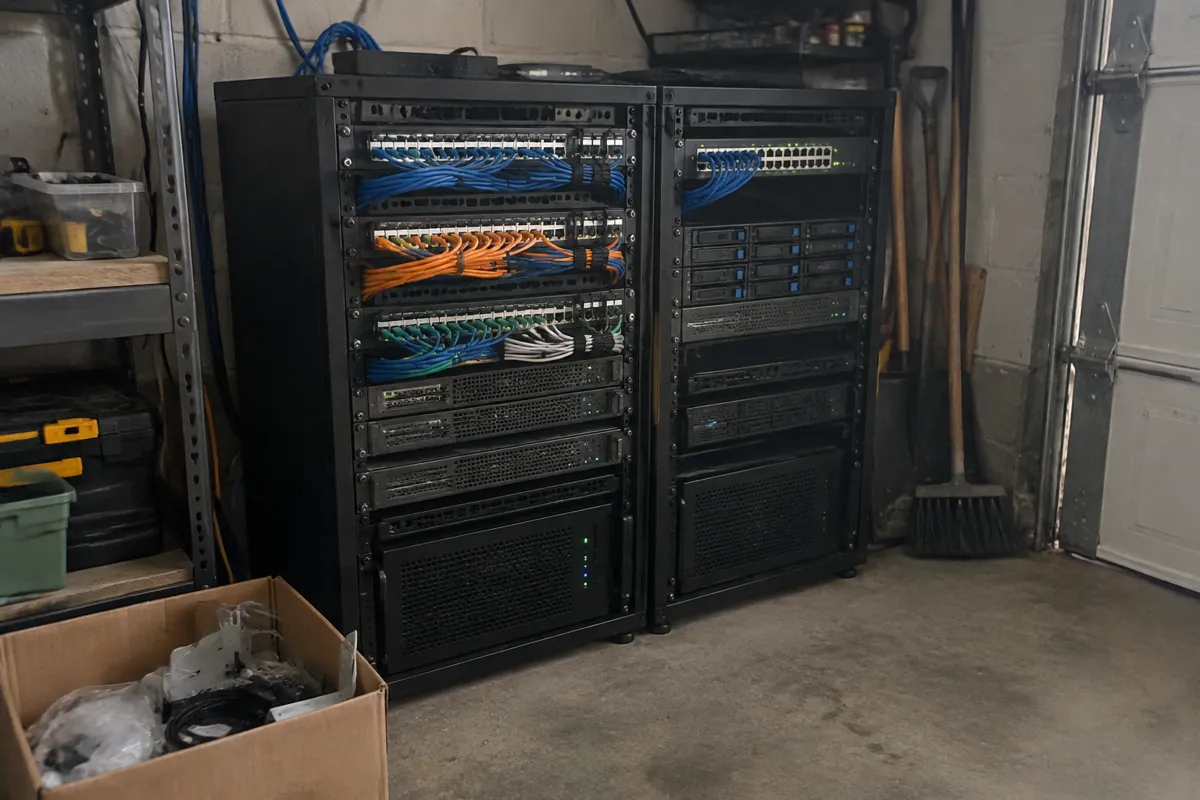
Colocation vs Dedicated Hosting: Choose Colocation If / Choose Dedicated If
Choose colocation if:
- You operate at a scale where owning hardware is cheaper than renting it over its useful life
- You have (or can budget for) in-house hardware expertise to handle failures and upgrades
- You need a custom hardware configuration a dedicated hosting provider doesn’t offer
- You have strict data-sovereignty or hardware-provenance requirements only self-owned hardware satisfies
Choose dedicated hosting if:
- You want exclusive-hardware performance without a large upfront capital cost
- You don’t have in-house staff to physically manage hardware failures
- You want the flexibility to change providers or scale down without hardware sitting unused
- You need the server running quickly, without the lead time of purchasing and shipping hardware
Migration Path: Dedicated to Colocation
Moving from dedicated hosting to colocation is a significant infrastructure project, not a simple migration. Source and purchase the physical hardware. Configure it — OS, software stack, security. Arrange data center rack space and connectivity. Physically install the hardware. Migrate data and test. Then cut over. Because you now own and are responsible for the hardware, budget for a longer timeline than a typical dedicated vs cloud hosting or software-only migration, and plan for the ongoing operational responsibility of hardware maintenance going forward.
FAQ
Is colocation cheaper than dedicated hosting? Only at scale and over a long enough time horizon. The upfront hardware cost needs to be offset by lower ongoing fees compared to what you’d pay a dedicated hosting provider for the equivalent machine over the same period. For most smaller operations, dedicated hosting is cheaper overall.
Who fixes a hardware failure with colocation? You do — or a technician you arrange, sometimes via a “remote hands” service the data center offers for a fee. This is the core operational trade-off against dedicated hosting, where the provider handles hardware replacement.
Can I get the exact hardware spec I want with dedicated hosting? Only from the provider’s available configurations. If you need a genuinely custom build, colocation is the only option that guarantees it.
Does colocation give better performance than dedicated hosting? Not inherently — for identical hardware specs, performance is essentially the same. The difference is in cost structure, hardware ownership, and control, not raw performance.
See the full type breakdowns at colocation hosting and dedicated hosting, or browse all hosting comparisons.