Hosting Email Accounts

Infrastructure Editor
Disclosure: Some links on this page are affiliate links — if you sign up through one, we may earn a commission at no extra cost to you. It never changes our ratings, rankings or verdicts: we don't sell hosting and take no pay-for-placement.
Who it's for
- Small business owners
- Solo professionals
- Agencies setting up client email
- Non-technical site owners
Hosting email accounts are custom-domain email inboxes, such as name@yourdomain.com, provisioned and managed through the same hosting account that runs the website. They’re typically configured through the control panel. They’re a distinct feature from a dedicated email hosting service — bundled hosting email runs on the same server infrastructure as the website, rather than on infrastructure purpose-built for mail delivery.
What Hosting Email Accounts Are
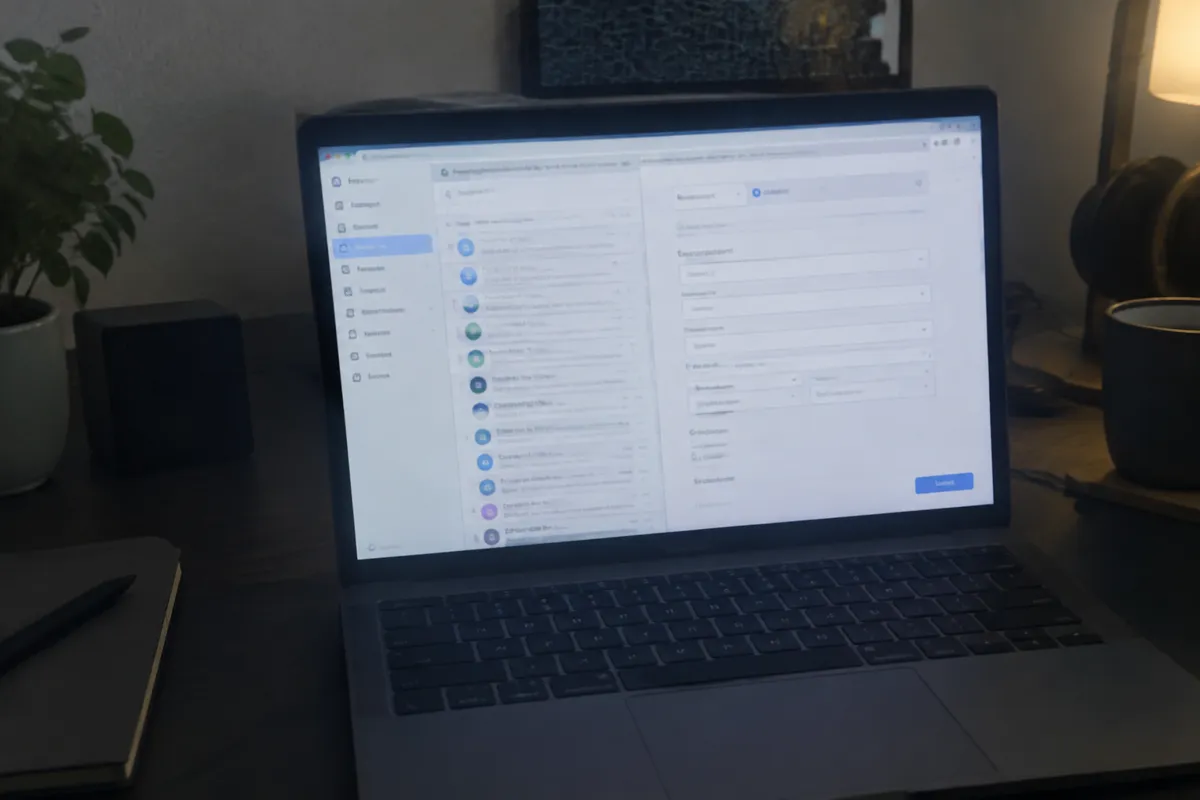
When a hosting plan includes email accounts, the provider runs a mail server, commonly Dovecot or Exim on Linux-based panels, alongside the web server on the same account. This lets the customer create inboxes tied to their domain and access them via webmail, IMAP, or POP3 in any email client. This is functionally separate from third-party services like Google Workspace or Microsoft 365, which route mail through entirely different, mail-specialized infrastructure while still using the same custom domain.
Why Hosting Email Accounts Matter
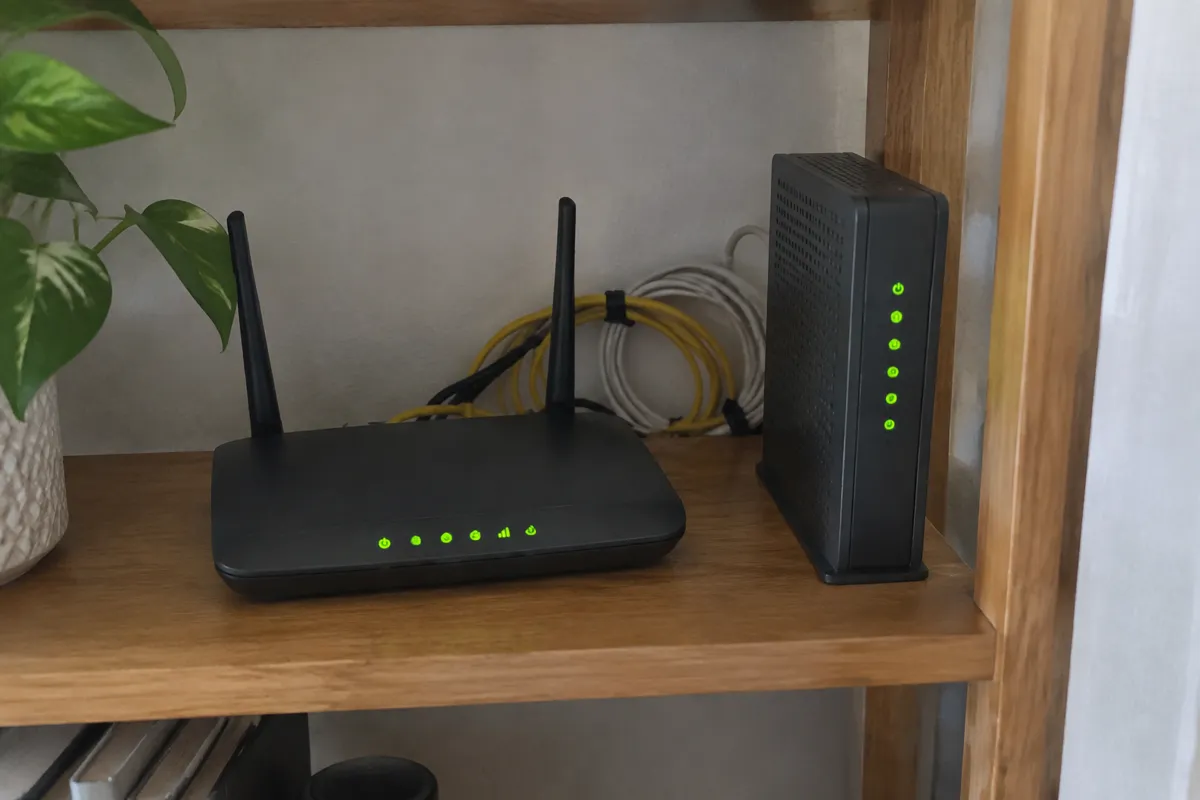
For a small business or solo professional, having email at name@yourdomain.com instead of a generic provider address is a basic credibility signal. Bundling it free with hosting removes a cost barrier to setting that up properly. But the mail server shares infrastructure — and critically, shares a sending IP address — with potentially many other hosting accounts on the same server. So deliverability quality depends heavily on what those other accounts are doing. If another account on the same shared IP gets flagged for spam, every account sending from that IP, including a well-behaved one, can see deliverability suffer.
How to Evaluate Hosting Email Accounts on a Plan
Check how many accounts are included at each plan tier, the mailbox storage quota per account, and whether the provider maintains SPF, DKIM, and DMARC records properly by default. These authentication records materially affect whether outbound mail lands in an inbox or a spam folder. Also ask specifically about the shared IP’s sending reputation history, since this is rarely advertised but is often the real determinant of whether hosting-bundled email works reliably for business-critical communication.
Mailbox Quota and Deliverability Benchmarks
| Plan tier | Typical included accounts | Typical mailbox quota |
|---|---|---|
| Entry shared | 1–5 or unlimited (storage-capped) | 250MB–1GB per mailbox |
| Standard shared/managed | Unlimited (storage-capped) | 1–5GB per mailbox |
| Dedicated email service (Workspace/365) | Per-user paid ($5–$12/user/mo) | 15–50GB+ per mailbox |
Many hosting providers advertise “unlimited” email accounts. In practice, the limit is total storage quota shared across however many mailboxes are created, not a hard account-count cap.
How Hosting Types Differ on Email Accounts
Shared hosting and managed hosting plans almost universally bundle email accounts as a standard, no-extra-cost feature managed through the panel. VPS hosting and dedicated hosting typically don’t include a pre-configured mail server at all. Running mail on these plans means installing and maintaining a full mail stack, including the ongoing work of protecting sender reputation on a dedicated IP, which is a meaningfully bigger commitment than the shared-plan default. Cloud hosting platforms generally don’t offer bundled email at all, on the assumption that customers will use a dedicated email service alongside cloud-hosted infrastructure. Email hosting as its own distinct type exists precisely because bundled hosting email has real deliverability and scale limitations that a mail-specialized provider addresses directly.
How Email Accounts Affect Speed, Security, and Cost
Email doesn’t meaningfully affect website speed, since mail traffic runs on separate ports and protocols from HTTP. But it does share the same underlying server resources on shared and VPS plans, so a poorly configured mail server can consume CPU or memory that would otherwise serve web requests. Security is the bigger consideration: bundled email accounts are a common attack target for credential stuffing and are frequently the entry point for a broader account compromise. This is why securing a hosting account explicitly includes email account hygiene. On cost, bundled email is effectively free within the hosting plan price, while dedicated services like Google Workspace or Microsoft 365 charge per user per month. That’s a real cost trade-off worth weighing once a business needs more than a handful of reliable, high-deliverability mailboxes. See how to create a hosting email account for setup steps, and hosting email not working for the most common troubleshooting path when deliverability problems appear.

Hosting Email Accounts FAQ
Is free hosting email as reliable as Google Workspace?
Generally not for high-volume or business-critical sending. Shared-IP deliverability and spam-filter reputation are usually better managed by dedicated providers, which is why many businesses use hosting email for basic needs and a paid service for primary business communication.
Can I use both bundled hosting email and Google Workspace on the same domain?
Not simultaneously for the same mailboxes, but it’s common to route only some addresses, like a catch-all or auto-reply, through hosting email while primary business addresses use a dedicated service via MX record configuration.
Why is my hosting email going to spam?
Most commonly it’s a shared-IP reputation issue or missing/misconfigured SPF, DKIM, or DMARC records. See hosting email not working for the full troubleshooting path.
For the dedicated service comparison, see email hosting; for the full attribute set, see web hosting features.